Modern workspace design in Singapore has evolved beyond aesthetics and functionality. In 2026, businesses are creating agile, technology-enabled, and employee-centric environments that support productivity, collaboration, and workplace well-being. As hybrid work models become standard across many industries, office spaces must adapt to changing workforce expectations and operational needs.
A successful modern workspace design balances business goals, company culture, technology integration, and employee comfort. Whether renovating an existing office or planning a new workplace, investing in thoughtful workspace design can improve performance, attract talent, and strengthen brand identity.
What Is Modern Workspace Design?
Modern workspace design refers to the strategic planning and design of office environments that enhance productivity, flexibility, and employee experience. Unlike traditional office layouts focused solely on efficiency, modern workplaces prioritize collaboration, wellness, adaptability, and technology integration.
In Singapore’s competitive business landscape, companies increasingly view workplace design as a business asset rather than a simple operational requirement. Well-designed offices help organizations foster innovation, improve communication, and support long-term growth.
Why Modern Workspace Design Matters in 2026
The workplace continues to change as businesses embrace digital transformation and flexible work arrangements. Employees now expect work environments that support different work styles while promoting comfort and engagement.
Organizations that invest in workplace improvements often experience measurable gains in employee satisfaction and workplace performance.
Traditional Office vs Modern Workspace Design
Understanding the differences between traditional and modern office concepts helps businesses make informed design decisions.
Feature
Traditional Office
Modern Workspace Design
Layout
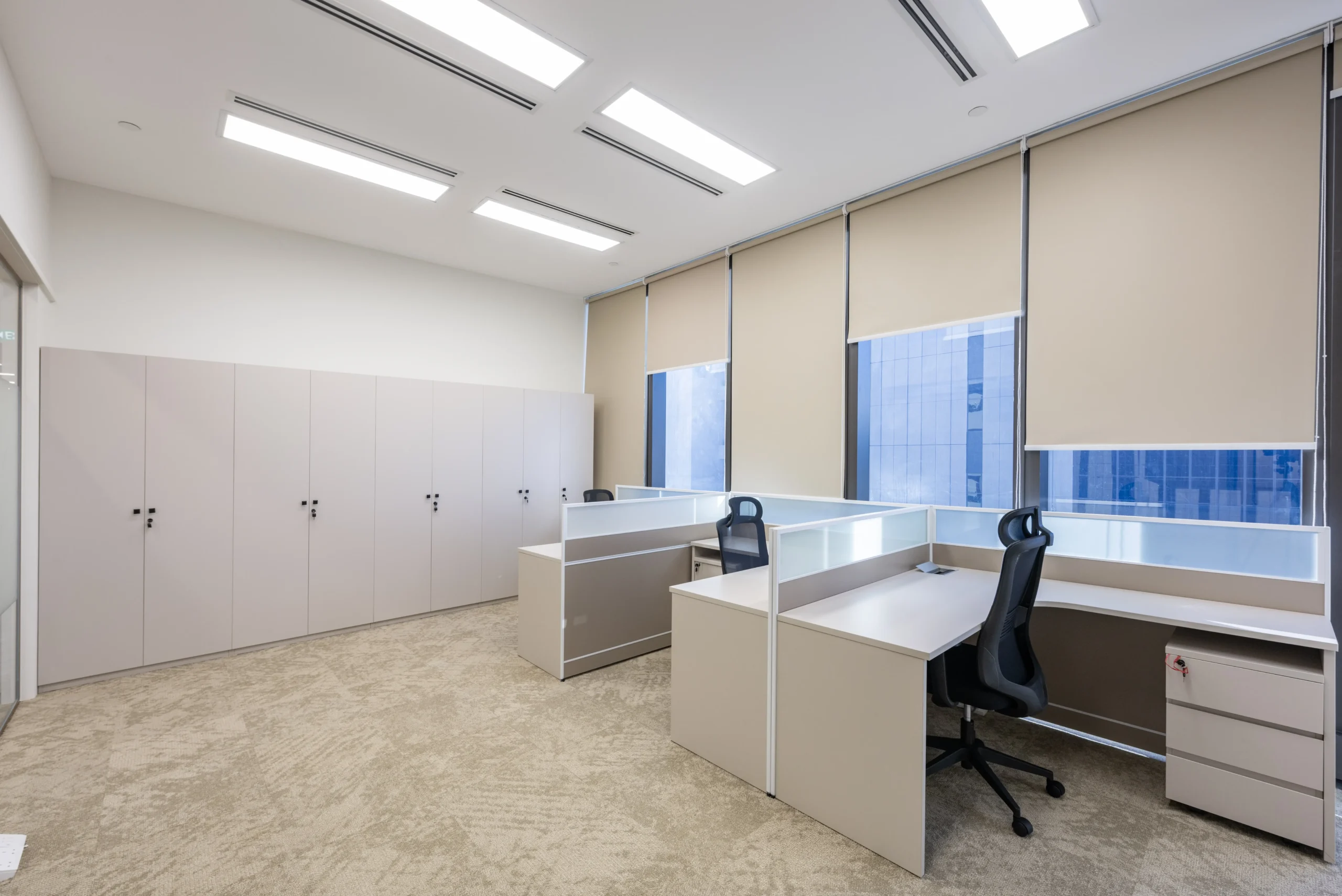
Fixed cubicles
Flexible and adaptable
Collaboration
Limited
Encouraged and integrated
Technology
Basic infrastructure
Smart workplace solutions
Employee Wellness
Minimal focus
Core design priority
Work Style
Assigned seating
Hybrid and activity-based
Space Utilization
Static
Optimized and dynamic
Modern workspace design focuses on creating environments that support both individual focus and team collaboration.
Key Elements of Modern Workspace Design Singapore
A successful workspace combines multiple design elements to create a productive and engaging environment.
Flexible Work Zones
Modern offices are designed around activity-based working. Employees may require quiet areas for focused tasks, collaborative spaces for teamwork, and informal lounges for creative discussions.
Flexible work zones allow organizations to maximize office functionality while accommodating diverse work styles.
Collaborative Spaces
Collaboration remains a critical driver of innovation. Modern workplaces incorporate meeting rooms, breakout spaces, brainstorming zones, and informal gathering areas that encourage communication and teamwork.
These spaces help employees connect more effectively while supporting cross-functional collaboration.
Technology Integration
Technology plays a central role in modern workspace design Singapore. Businesses increasingly integrate smart meeting rooms, wireless connectivity, video conferencing systems, occupancy sensors, and digital booking platforms.
Technology-enabled workplaces support hybrid work arrangements while improving operational efficiency.
Employee Wellness Features
Employee well-being has become a major consideration in workplace design. Offices now prioritize natural lighting, ergonomic furniture, acoustic comfort, indoor greenery, and wellness-focused amenities.
A healthy work environment contributes to improved productivity, reduced stress, and higher employee satisfaction.
Modern Workspace Design Trends in Singapore
Businesses in Singapore are adopting several workplace trends that reflect changing workforce expectations and business priorities.
Hybrid Work-Friendly Layouts
Many organizations have reduced dedicated desks and introduced flexible seating arrangements. This approach supports employees who divide their time between remote and office work.
Sustainable Office Design
Sustainability remains a growing priority. Companies increasingly use eco-friendly materials, energy-efficient lighting systems, and sustainable construction practices to reduce environmental impact.
Biophilic Design
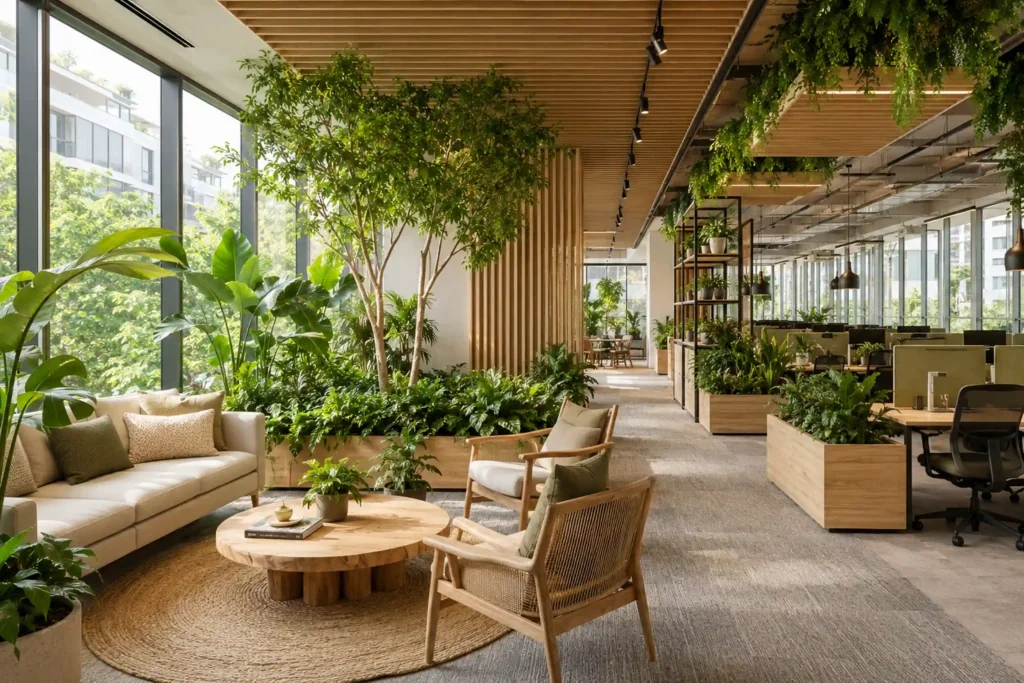
Natural elements such as plants, natural textures, and daylight integration help create healthier and more inviting work environments.
Smart Office Solutions
Data-driven workplace technologies help businesses monitor space utilization, optimize energy consumption, and improve workplace experiences.
These innovations are shaping the future of workspace design across Singapore.
The Role of Commercial Renovation in Workspace Transformation
Many businesses achieve workplace modernization through strategic renovations. A comprehensive commercial renovation in singapore allows organizations to redesign layouts, upgrade infrastructure, and introduce modern workplace features without relocating.
Commercial renovation projects may include:
Open-plan office conversions
Meeting room upgrades
Smart technology installations
Pantry and breakout area enhancements
Reception redesigns
Custom carpentry solutions
A well-planned renovation can significantly improve both workplace functionality and brand presentation.
How Much Does Modern Workspace Design Cost?
Workspace design costs vary depending on office size, design complexity, technology integration, and renovation requirements.
General budgeting estimates for 2026 include:
Workspace Type
Estimated Cost Range
Basic Office Upgrade
SGD 30 – 80 per sq ft
Mid-Range Workplace Design
SGD 80 – 150 per sq ft
Premium Smart Office
SGD 150 – 300+ per sq ft
Businesses should consider both immediate renovation costs and long-term operational benefits when evaluating workplace investments.
Pro Tip: Prioritize functionality before aesthetics. A visually impressive office is valuable, but the most successful workspaces are designed around employee workflows, operational efficiency, and future scalability.
Choosing the Right Workspace Design Partner
Selecting an experienced workspace design specialist is essential for achieving successful results. The right partner should understand workplace strategy, commercial regulations, interior design, and project management.
Look for a design firm that offers:
Commercial design expertise
Workplace planning experience
Strong project management capabilities
Technology integration knowledge
In-house customization services
Transparent pricing
Proven project portfolio
Companies such as ARTrend help businesses develop customized workspace solutions that align with organizational goals while maintaining practical functionality.
Common Mistakes to Avoid
Many workspace projects fail to deliver long-term value because key planning factors are overlooked.
Avoid these common mistakes:
Designing solely based on trends
Ignoring employee feedback
Underestimating future growth needs
Insufficient technology planning
Poor space utilization strategies
Neglecting acoustic comfort
Overcrowding collaborative areas
A strategic and user-focused approach typically produces the most effective workplace outcomes.
Benefits of Investing in Modern Workspace Design
A thoughtfully designed office environment creates value beyond appearance. Businesses that invest in modern workspace design often experience measurable improvements across multiple areas.
Potential benefits include:
Higher employee engagement
Improved productivity
Better collaboration
Stronger employer branding
Enhanced customer impressions
Increased workplace flexibility
Greater long-term operational efficiency
As workplace expectations continue to evolve, modern workspace design remains a critical investment for future-ready organizations.
Conclusion: Build a Future-Ready Workplace with Modern Workspace Design Singapore
Whether you are upgrading an existing office or planning a complete workplace transformation, partnering with experienced professionals can help maximize your investment. Visit ARTrend to explore ARTrend’s workspace design expertise and discover how a modern office can elevate your business performance in 2026 and beyond.
FAQs (Frequently Asked Questions)
What is modern workspace design?
Modern workspace design focuses on creating flexible, technology-enabled, and employee-centric office environments that improve productivity and collaboration.
How much does modern workspace design cost in Singapore?
Costs typically range from SGD 30 to SGD 300+ per square foot, depending on the design scope, materials, and technology requirements.
Why is modern workspace design important?
It helps improve employee well-being, workplace efficiency, collaboration, and talent retention while supporting evolving work styles.
What are the key features of a modern workspace?
Common features include flexible work zones, collaborative spaces, smart technology, ergonomic furniture, and wellness-focused design elements.
Can modern workspace design support hybrid work?
Yes. Modern workspace design often includes flexible seating, collaborative areas, and technology solutions that support both in-office and remote employees.