Minimalist home design is a design philosophy that focuses on simplicity, functionality, and intentional living. Instead of filling a home with unnecessary furniture and decorative items, minimalist interiors prioritize clean lines, open spaces, practical layouts, and carefully selected design elements.
In recent years, minimalist home design has become one of the most popular interior styles among homeowners in Singapore and around the world. The appeal lies in its ability to create a calm, organized, and visually appealing environment while maximizing available space.
Whether you live in an HDB flat, condominium, landed property, or modern apartment, minimalist design can help transform your home into a comfortable and timeless sanctuary.
What Is Minimalist Home Design?
Minimalist home design is centered around the principle of “less is more.” The goal is not to create an empty house but rather a purposeful space where every element serves a function or contributes to the overall aesthetic.
Pro Tip: inimalism is not about removing everything. It is about keeping only the items that add value, comfort, and purpose to your daily life.
Why Is Minimalist Home Design So Popular Today?
The rise of urban living has made space optimization more important than ever. Homeowners increasingly seek practical solutions that improve comfort without sacrificing style.
Several studies on residential design trends have found that homeowners prefer spaces that promote relaxation, productivity, and mental well-being. Minimalist interiors naturally support these goals through thoughtful design and organization.
Benefits of Minimalist Home Design
Benefit
Description
Better Space Utilization
Makes small homes feel larger
Easier Maintenance
Less furniture means less cleaning
Improved Mental Clarity
Reduces visual distractions
Timeless Appearance
Avoids rapidly changing trends
Increased Functionality
Every element serves a purpose
Enhanced Natural Light
Open layouts maximize brightness
Many modern homeowners choose minimalist interiors because they provide long-term value while maintaining a sophisticated appearance.
Pro Tip: nvest in fewer but higher-quality furniture pieces. Quality often creates a stronger visual impact than quantity.
Essential Elements of a Minimalist Home Design
Creating a minimalist home requires more than simply removing excess items. Successful minimalist interiors are carefully planned and balanced.
1. Neutral Color Schemes
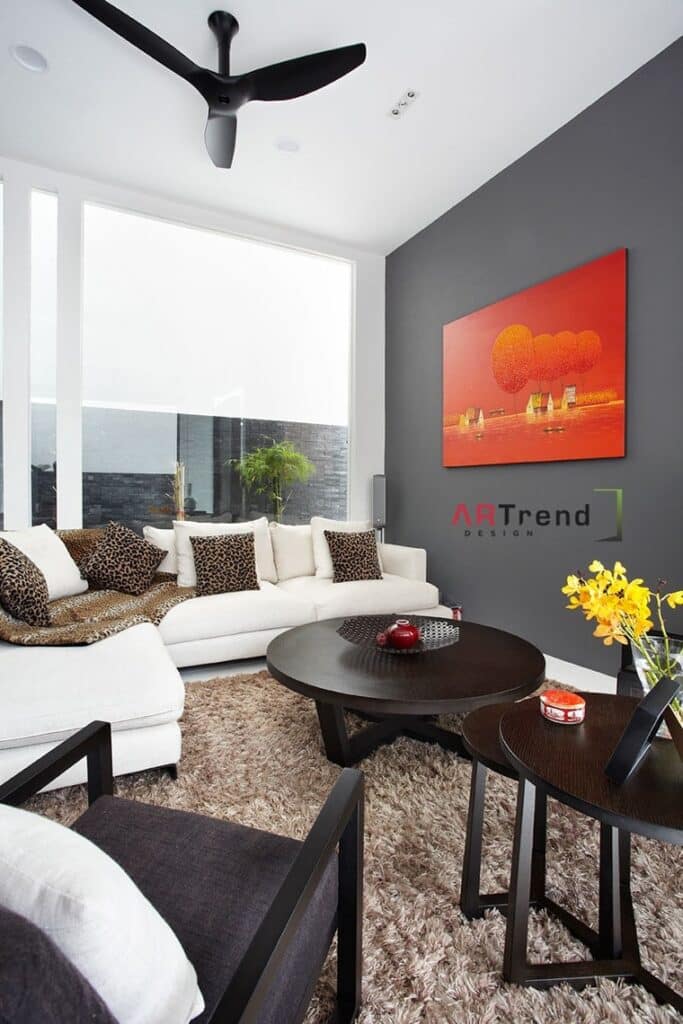
Neutral colors help create a sense of openness and calm.
Popular minimalist color palettes include:
White
Warm beige
Light grey
Soft taupe
Earth tones
These colors provide a clean backdrop while allowing architectural features and furniture to stand out.
2. Functional Furniture
Minimalist homes prioritize furniture that serves multiple purposes.
Examples include:
Storage beds
Extendable dining tables
Built-in cabinetry
Modular sofas
Hidden storage solutions
The objective is to maximize usability without overcrowding the space.
3. Natural Lighting
Natural light plays a significant role in minimalist interiors.
Designers often use:
Large windows
Sheer curtains
Glass partitions
Reflective surfaces
These elements help brighten the space and create a more welcoming atmosphere.
Pro Tip: void heavy window treatments that block sunlight. Natural light is one of the most effective design tools in minimalist spaces.
Minimalist Home Design for Different Property Types
Minimalist principles can be adapted to various home types.
HDB Flats
For HDB homeowners, minimalist design helps maximize limited floor space.
Recommended features include:
Built-in storage
Foldable furniture
Open-concept layouts
Light color palettes
Condominiums
Condominium owners often combine minimalist design with contemporary luxury.
Popular additions include:
Feature lighting
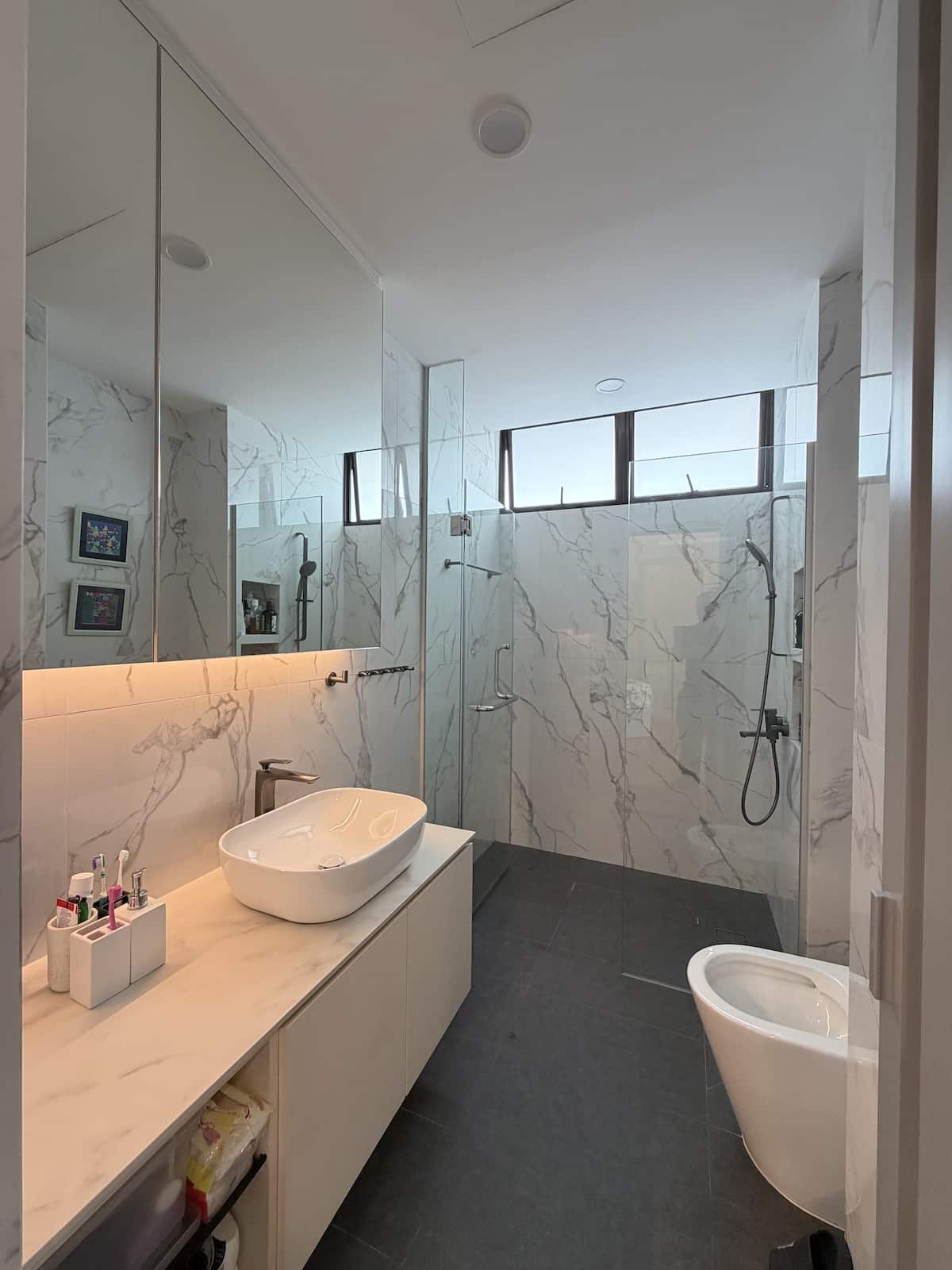
Stone finishes
Smart home technology
Integrated storage systems
Landed Homes
Larger homes can embrace minimalist design through architectural simplicity and spatial balance.
Design features may include:
Double-volume ceilings
Open courtyards
Seamless indoor-outdoor transitions
Minimalist landscaping
Pro Tip: Minimalism should be customized to your lifestyle rather than applied as a strict formula.
Common Mistakes to Avoid in Minimalist Home Design
Many homeowners misunderstand minimalist design and accidentally create spaces that feel cold or unfinished.
Mistake 1: Removing Too Much
Minimalism does not mean living in an empty room.
Instead:
Maintain comfort
Add texture
Include personal touches
Mistake 2: Ignoring Storage
A clutter-free home requires smart storage solutions.
Consider:
Built-in wardrobes
Concealed cabinets
Multi-functional furniture
Mistake 3: Using Only White
While white is common, excessive use can make a home feel sterile.
Balance white with:
Wood textures
Natural stone
Warm lighting
Soft fabrics
Pro Tip: The best minimalist interiors feel warm, welcoming, and lived-in rather than empty.
How Professional Interior Designers Create Successful Minimalist Homes
Professional designers understand how to balance aesthetics, functionality, and lifestyle requirements.
A typical minimalist design process includes:
Step 1: Lifestyle Assessment
Understanding how the homeowner uses the space.
Step 2: Space Planning
Optimizing layouts for flow and functionality.
Step 3: Material Selection
Choosing finishes that complement the minimalist aesthetic.
Step 4: Storage Integration
Incorporating hidden storage solutions.
Step 5: Final Styling
Adding carefully selected decorative elements.
For homeowners seeking professional guidance, working with experienced interior specialists can ensure a cohesive and practical result. If you are considering an interior renovation singaporee project, expert planning can help you achieve a minimalist home that is both beautiful and highly functional.
Pro Tip: Professional space planning often delivers greater long-term value than simply purchasing new furniture.
Minimalist Home Design Trends in 2026
Minimalism continues to evolve beyond simple white interiors.
Emerging trends include:
Warm Minimalism
Combining minimalist layouts with warmer tones and natural materials.
Sustainable Minimalism
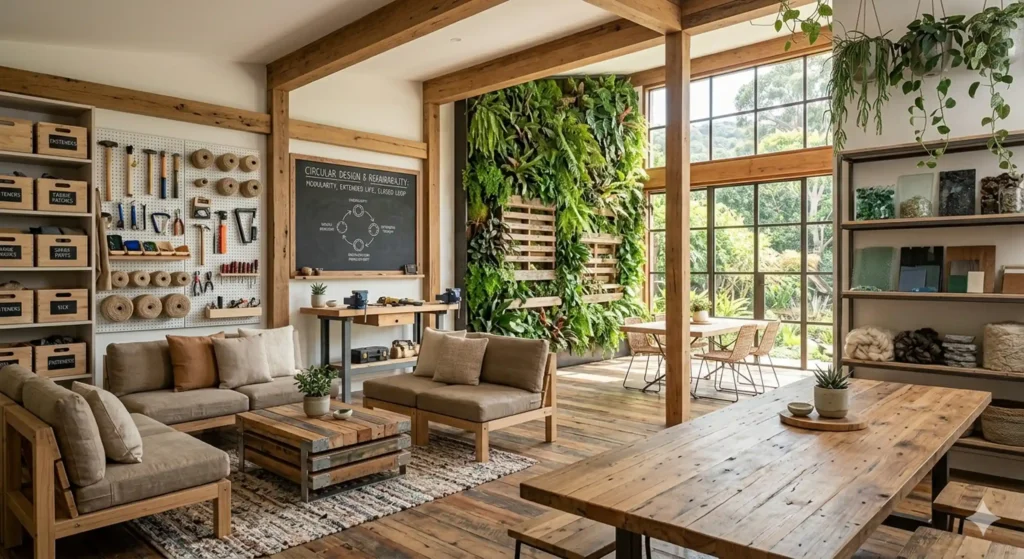
Using eco-friendly materials and energy-efficient design solutions.
Smart Minimalism
Integrating technology discreetly into the home environment.
Biophilic Minimalism
Introducing natural elements such as:
Indoor plants
Natural stone
Timber finishes
Organic textures
These trends help create spaces that feel more personal and connected to nature.
Pro Tip: The future of minimalist design focuses on comfort and sustainability rather than strict visual simplicity.
Conclusion: Transform Your Home with Expert Minimalist Home Design Solutions
Minimalist home design is more than a visual trend. It is a practical and timeless approach to creating a comfortable, organized, and functional living environment. By focusing on simplicity, purposeful design, and efficient space utilization, homeowners can enjoy a home that supports modern lifestyles while maintaining long-term aesthetic appeal
At ARTrend, our experienced team specializes in creating thoughtfully designed residential and commercial interiors that balance beauty, functionality, and innovation. Whether you are renovating an HDB flat, condominium, or landed property, our expertise in recommended interior design projects can help bring your minimalist vision to life with tailored design solutions that suit your needs and lifestyle.
Your Next Steps
Assess your current space and identify unnecessary clutter.
Define your lifestyle requirements and storage needs.
Create a renovation plan that prioritizes functionality and timeless aesthetics.
A well-designed minimalist home is not about having less—it is about living better. Visit ARTrend today to discover how our interior design expertise can help you create a beautiful, functional, and future-ready home.
FAQs (Frequently Asked Questions)
What is minimalist home design?
Minimalist home design focuses on simplicity, functionality, and clutter-free living while maintaining comfort and style.
Is minimalist home design suitable for small homes?
Yes. Minimalist design helps maximize space, improve organization, and make smaller homes feel larger and more open.
What colors are commonly used in minimalist interiors?
Neutral colors such as white, beige, grey, taupe, and soft earth tones are commonly used to create a clean and calming atmosphere.
How can I make a minimalist home feel warm?
Use natural materials like wood, soft lighting, textured fabrics, and carefully selected décor to add warmth and personality.
Should I hire an interior designer for a minimalist home renovation?
An experienced interior designer can help optimize space planning, storage solutions, and design consistency to achieve the best results.