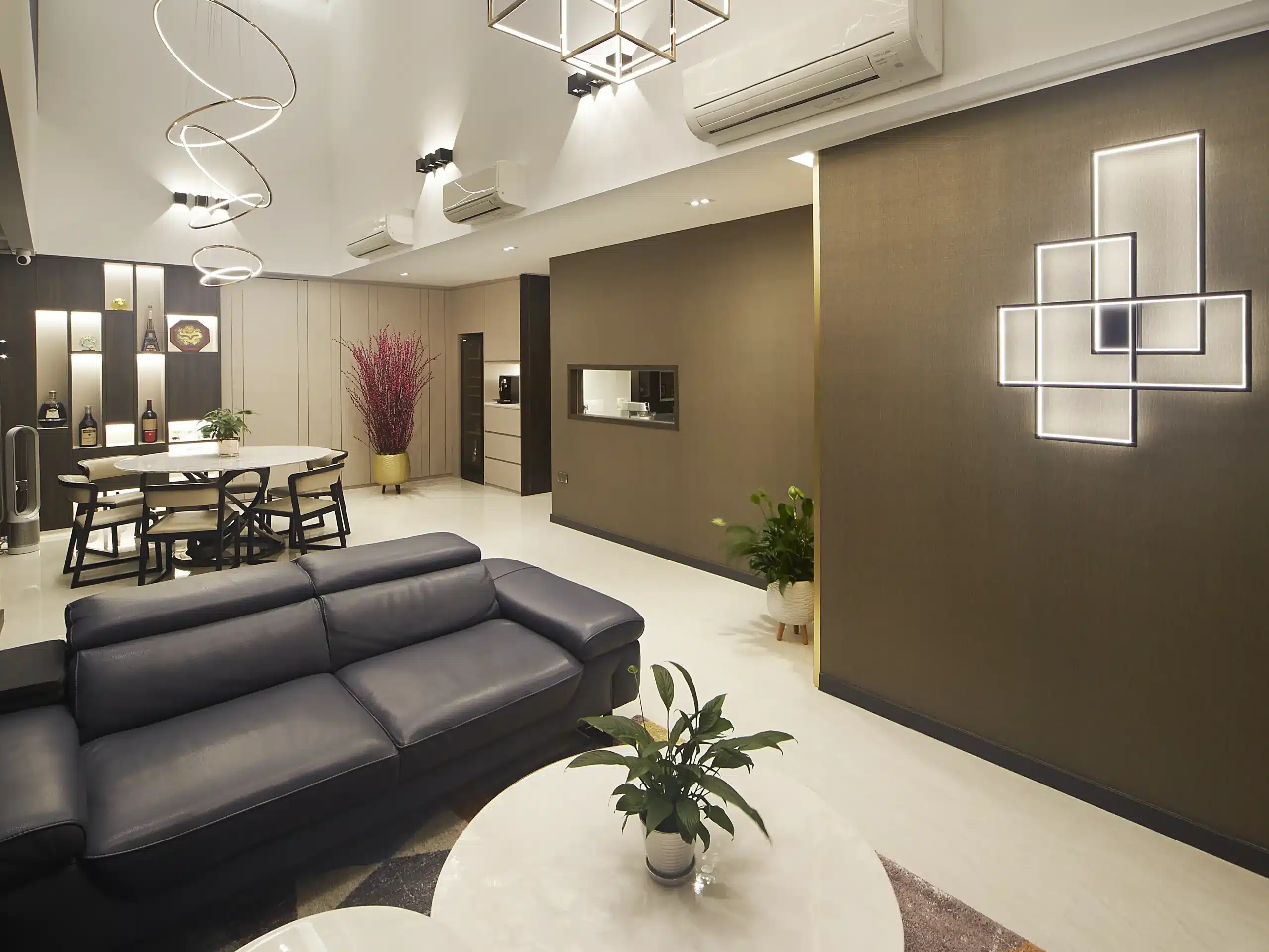
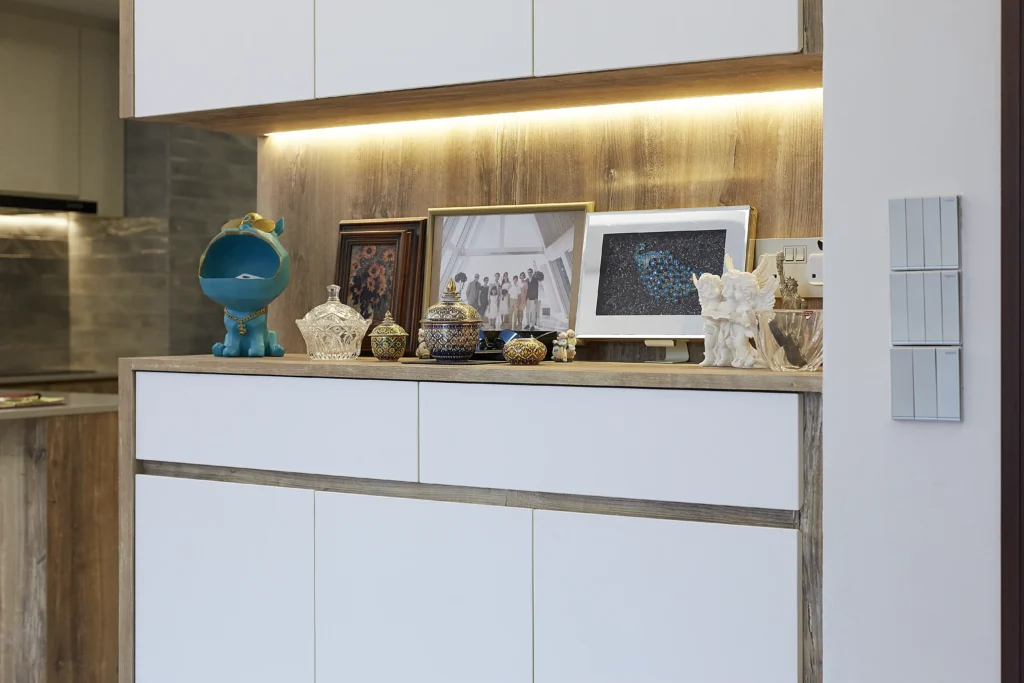
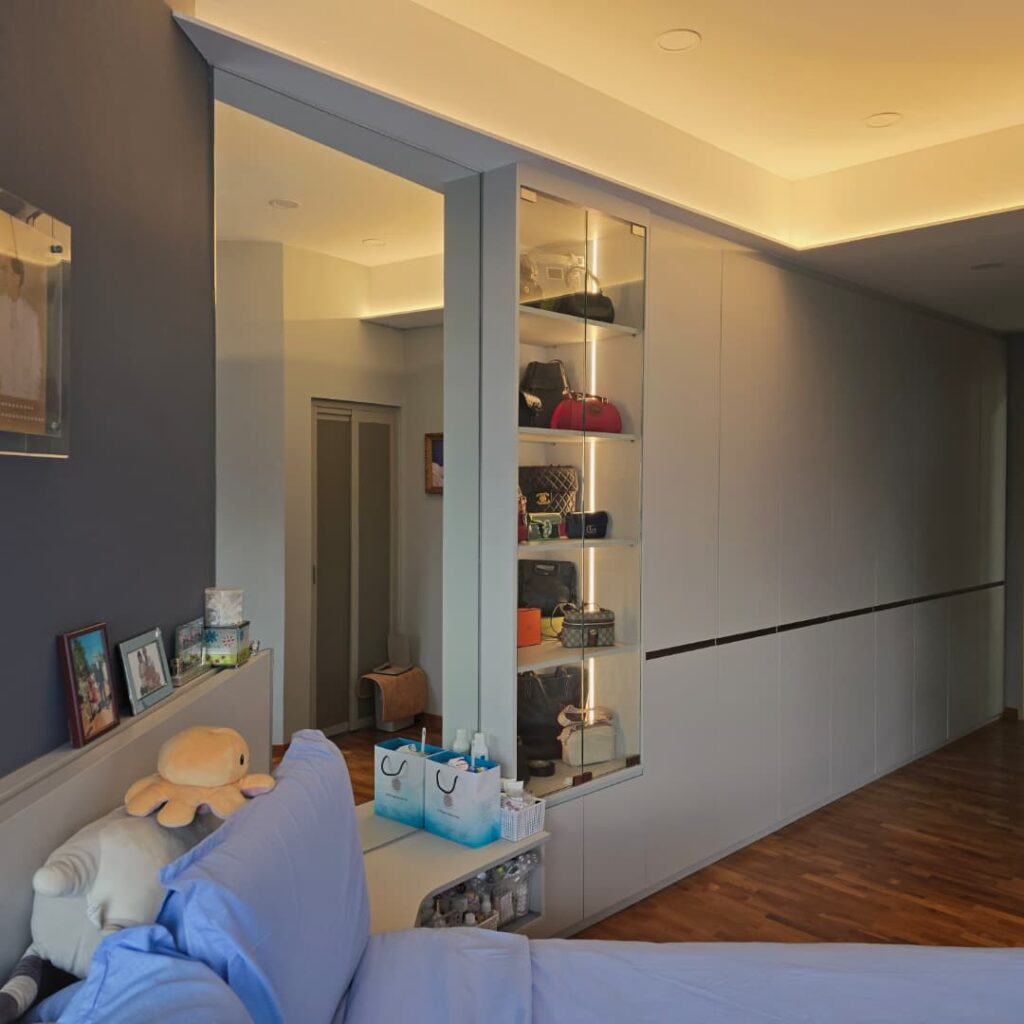
Balancing aesthetics and functionality in home design means creating a living space that is both visually appealing and practical for everyday life. While beautiful interiors can make a home feel inviting, functionality ensures every room supports your lifestyle, maximizes comfort, and makes daily activities easier.
Today, homeowners are looking for homes that do more than just look good. They want spaces that improve productivity, encourage relaxation, optimize storage, and adapt to changing family needs. The best home designs successfully combine style with purpose, allowing every design element to contribute to both beauty and usability.
Whether you’re designing a new home or planning a renovation, understanding how to balance aesthetics and functionality will help you create a timeless interior that works for years to come.
Why Is It Important to Balance Aesthetics and Functionality?
Many homeowners focus heavily on appearance, only to realize later that their space doesn’t function well. Others prioritize practicality but end up with interiors that feel plain or uninspiring.
The ideal home achieves both.
Benefits of a Balanced Home Design
Creates a comfortable living environment
Improves daily efficiency
Maximizes available space
Increases long-term property value
Enhances mental well-being
Supports changing lifestyle needs
The Core Principles of Functional and Beautiful Home Design
Creating a balanced home starts with understanding several key design principles.
Prioritize Purpose
Every room should have a clearly defined purpose before selecting furniture or décor.
Ask questions such as:
How will this room be used?
Who will use it most often?
What storage is required?
Designing around lifestyle needs ensures every space serves a practical function.
Choose Timeless Design Elements
Instead of following short-lived trends, invest in finishes and furniture with lasting appeal.
Popular timeless choices include:
Neutral color palettes
Natural wood finishes
Stone surfaces
Clean architectural lines
High-quality lighting
Focus on Comfort
Beautiful spaces should also feel comfortable.
Consider:
Ergonomic seating
Proper lighting
Good ventilation
Easy movement between rooms
Pro Tip: The most attractive homes are often those where functionality is almost invisible because everything works seamlessly.
Smart Space Planning Makes All the Difference
Space planning is one of the most important aspects of interior design.
A well-planned layout improves movement and allows every square metre to be used efficiently.
Effective Space Planning Includes
Clear walking paths
Logical furniture placement
Adequate storage
Flexible layouts
Balanced room proportions
Homeowners interested in creating spacious interiors often explore concepts like what is open concept living, which explains how removing unnecessary barriers can improve both functionality and visual openness.
Pro Tip: Avoid filling every corner with furniture. Empty space is an important design element that improves comfort and visual balance.
Choosing Furniture That Combines Style and Function
Furniture should do more than simply fill a room.
Modern homes benefit from pieces that are both elegant and practical.
Recommended Multi-Functional Furniture
Storage beds
Extendable dining tables
Modular sofas
Built-in cabinets
Foldable workstations
These solutions help reduce clutter while maintaining a clean and sophisticated appearance.
Common Furniture Mistakes
Buying oversized sofas
Blocking natural walkways
Prioritizing appearance over comfort
Ignoring storage needs
Pro Tip: Measure your space before purchasing furniture to ensure proper proportions and circulation.
Using Color, Lighting, and Materials Effectively
Design elements should complement both aesthetics and everyday functionality.
Color Selection
Neutral colors create a timeless foundation.
Popular choices include:
White
Beige
Warm grey
Taupe
Soft earth tones
Accent colors can then be introduced through artwork, cushions, or decorative accessories.
Lighting
Layered lighting improves both mood and functionality.
Use a combination of:
Ambient lighting
Task lighting
Accent lighting
Materials
Choose materials that are both attractive and durable.
Examples include:
Engineered wood
Quartz countertops
Porcelain tiles
Natural stone
High-performance laminates
Pro Tip:Durable materials often provide better long-term value, especially in high-traffic areas.
Storage Solutions That Enhance Design
Storage should never feel like an afterthought.
Well-designed storage systems help maintain clean, organized interiors.
Popular Storage Ideas
Built-in wardrobes
Hidden shelving
Under-bed storage
Kitchen pantry systems
Custom cabinetry
Good storage contributes directly to the minimalist appearance many homeowners desire.
Pro Tip: Integrated storage keeps everyday items accessible while preserving a clean visual aesthetic.
Common Mistakes When Balancing Aesthetics and Functionality
Many renovation projects encounter avoidable design issues.
Mistake 1: Following Trends Blindly
Trendy interiors may become outdated quickly.
Instead, focus on timeless design principles.
Mistake 2: Ignoring Daily Habits
Design should support your lifestyle rather than force you to adapt.
Mistake 3: Insufficient Storage
Beautiful spaces quickly become cluttered without adequate storage.
Mistake 4: Poor Lighting Design
Even luxurious interiors lose their appeal if lighting is inadequate.
Pro Tip: Design decisions should improve how you live, not simply how your home looks.
Home Design Trends That Successfully Blend Beauty and Practicality
Modern homeowners increasingly seek designs that balance style with everyday usability.
Popular trends include:
Warm Minimalism
Soft neutral colors paired with natural textures create inviting interiors.
Biophilic Design
Incorporating plants, natural light, and organic materials enhances wellness.
Smart Home Integration
Technology is seamlessly integrated without disrupting the overall aesthetic.
Sustainable Design
Eco-friendly materials and energy-efficient solutions support long-term living.
These trends demonstrate that beautiful homes can also be highly functional.
Pro Tip: Choose design trends that genuinely improve your lifestyle rather than following temporary fashions.
How Professional Interior Designers Create Balanced Homes
Professional designers combine technical expertise with creative problem-solving.
Their design process typically includes:
Step 1: Lifestyle Consultation
Understanding how homeowners use their space.
Step 2: Space Planning
Optimizing room layouts for comfort and efficiency.
Step 3: Material Selection
Choosing finishes that balance durability and style.
Step 4: Storage Design
Integrating smart storage into every room.
Step 5: Final Styling
Adding decorative elements that complete the overall design vision.
Professional planning often results in homes that remain functional and attractive for many years.
Pro Tip: Working with experienced designers helps avoid costly renovation mistakes while maximizing your investment.
Conclusion: Achieve the Perfect Balance with ARTrend
Learning how to balance aesthetics and functionality is the foundation of successful home design. A beautiful home should not only impress visually but also support your daily routines, improve comfort, and adapt to your evolving lifestyle. By combining thoughtful planning, smart storage, durable materials, and timeless design principles, you can create a home that delivers lasting value.
At ARTrend, we believe every home should reflect both exceptional design and practical living. Our experienced interior designers specialize in creating personalized spaces that maximize functionality without compromising elegance. Whether you’re renovating an HDB flat, condominium, or landed property, we provide tailored solutions that transform your ideas into beautifully functional homes.
Plan layouts that improve movement and efficiency.
Invest in timeless materials and quality furniture.
Incorporate smart storage solutions.
Partner with ARTrend to create a home that perfectly balances beauty and functionality.
A thoughtfully designed home is more than a place to live—it is an environment that enhances your everyday life. Visit ARTrehttps://artrenddesign.com.sg/nd today and let our expertise help you create a home that is both inspiring and practical.
FAQs (Frequently Asked Questions)
What does balancing aesthetics and functionality mean in home design?
It means creating a home that is visually attractive while remaining practical, comfortable, and efficient for everyday living.
Why is functionality important in interior design?
Functional design improves comfort, maximizes space, enhances organization, and supports your daily lifestyle.
How can I make my home both beautiful and practical?
Choose timeless materials, invest in smart storage, use multi-functional furniture, and plan layouts based on your lifestyle.
Does minimalist design improve functionality?
Yes. Minimalist design reduces clutter, improves organization, and creates more efficient living spaces without sacrificing style.
Should I hire an interior designer for my home renovation?
Yes. An experienced interior designer can help create a balanced design that combines aesthetics, functionality, and long-term value.