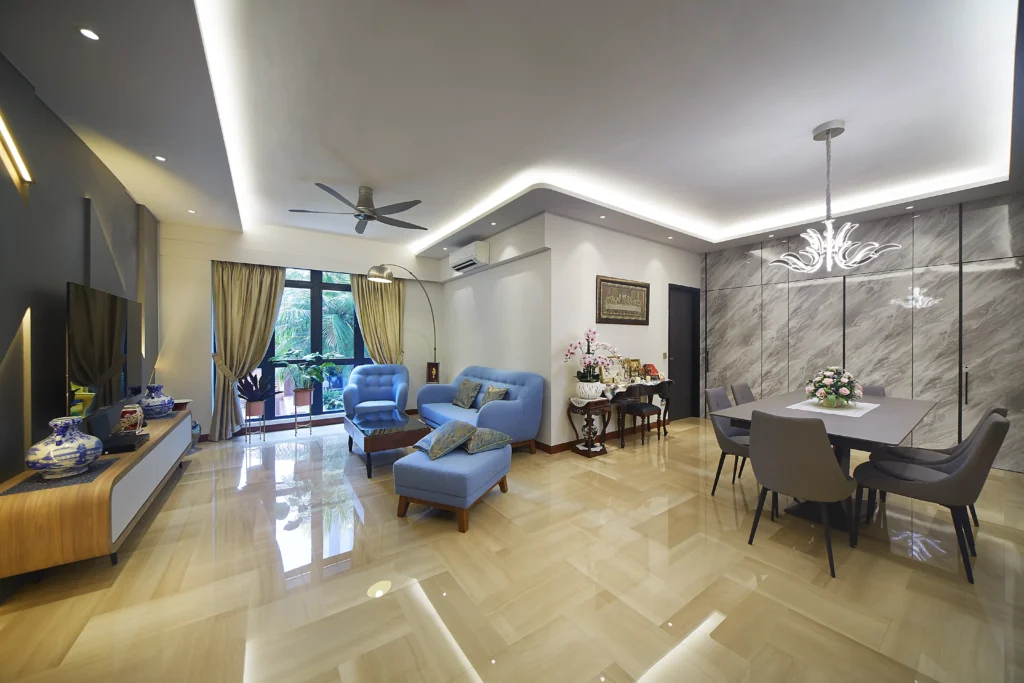
The renovation process is a structured series of steps that transforms an existing property into a more functional, attractive, and valuable space. It typically includes planning, budgeting, design development, approvals, material selection, construction, inspections, and final handover.
Whether you’re renovating an HDB flat, condominium, landed property, or commercial space, understanding the renovation process helps reduce stress, avoid costly mistakes, and keep your project on schedule. Industry best practices recommend a phased approach that starts with careful planning and progresses through approvals, construction, and quality inspections before completion.
This guide explains each stage of the renovation process and provides practical tips to help you achieve a successful renovation from start to finish.
Why Is It Important to Understand the Renovation Process?
Many renovation problems occur because homeowners begin construction without a clear roadmap.
A structured renovation process helps you:
Plan your budget effectively
Avoid unnecessary delays
Improve communication with contractors
Minimize unexpected costs
Complete the project efficiently
Knowing what happens at each stage also makes it easier to make informed decisions throughout your renovation journey.
Pro Tip: Never rush into construction. Thorough planning is often the biggest factor in a successful renovation.
Step 1: Define Your Renovation Goals
Every successful renovation begins with a clear understanding of your objectives.
Ask yourself:
What areas need improvement?
Do you need more storage?
Are you renovating for comfort or resale value?
Will your family needs change in the future?
Clearly defining your priorities helps guide every design decision.
Pro Tip: reate a list of “must-haves” and “nice-to-haves” before meeting your designer.
Step 2: Establish a Realistic Budget
Budget planning should include more than construction costs.
Consider expenses such as:
Interior design fees
Renovation works
Furniture
Appliances
Lighting
Contingency funds
Many renovation professionals recommend reserving an additional contingency budget to cover unforeseen issues that may arise during construction.
Pro Tip: Invest in quality workmanship first. Decorative upgrades can always be added later.
Step 3: Work with an Interior Designer
Professional interior designers help translate your ideas into practical design solutions.
Typical services include:
Space planning
3D design concepts
Material recommendations
Lighting plans
Custom carpentry
Project management
Professional planning often prevents costly layout changes during construction.
Pro Tip: Choose an interior designer who understands both aesthetics and functionality.
Step 4: Obtain Necessary Approvals
Some renovation works require official approval before construction begins.
For HDB homeowners, understanding hdb approval for renovation requirements is essential before starting regulated works such as structural modifications, plumbing changes, or window replacements.
Obtaining approvals early helps prevent project delays and ensures compliance with local regulations.
Pro Tip: Confirm all approval requirements before scheduling renovation work.
Step 5: Select Materials and Finishes
Material selection influences durability, maintenance, and overall aesthetics.
Popular choices include:
Engineered wood flooring
Quartz countertops
Porcelain tiles
Low-VOC paints
Energy-efficient lighting
Balance appearance with long-term performance when making selections.
Pro Tip: Choose materials that match your lifestyle, not just current design trends.
Step 6: Construction and Installation
Construction is where your renovation plans become reality.
This stage may include:
Demolition
Electrical works
Plumbing installation
Carpentry
Flooring
Ceiling installation
Painting
Fixture installation
Maintaining regular communication with your renovation team helps ensure quality and timely progress.
Pro Tip: Schedule regular site visits to monitor progress and address issues early.
Step 7: Inspection and Quality Checks
Before handover, every completed renovation should undergo detailed inspections.
Key inspection areas include:
Paint finishes
Cabinet alignment
Flooring installation
Plumbing systems
Electrical outlets
Addressing defects before project completion ensures higher-quality results.
Pro Tip: Prepare a checklist during your final walkthrough to identify any items requiring correction.
Common Renovation Mistakes to Avoid
Many homeowners encounter avoidable problems during renovation.
Mistake 1: Skipping Proper Planning
Poor planning often leads to delays and budget overruns.
Mistake 2: Changing the Design Midway
Frequent changes increase costs and disrupt construction schedules.
Mistake 3: Choosing Based Only on Price
The lowest quotation does not always deliver the best long-term value.
Mistake 4: Ignoring Future Needs
Design your home to accommodate lifestyle changes over the coming years.
Pro Tip: A well-planned renovation usually costs less than correcting avoidable mistakes later.
Natural light, improved ventilation, and calming interiors continue to shape contemporary renovations.
Pro Tip: Invest in timeless improvements that continue adding value long after the renovation is complete.
Conclusion: Start Your Renovation Journey with ARTrend
Understanding what the renovation process involves is the first step toward achieving a successful project. From defining your goals and planning your budget to obtaining approvals, selecting materials, and completing construction, every stage plays an important role in creating a home or workspace that is functional, beautiful, and built to last.
At ARTrend, we guide homeowners and businesses through every phase of the renovation process with expert design, professional project management, and personalized solutions. Whether you’re renovating an HDB flat, condominium, landed property, office, or commercial space, our experienced team is committed to delivering exceptional results with transparency and attention to detail.
Your Next Steps
Define your renovation goals.
Prepare a realistic budget.
Consult a professional interior designer.
Complete all necessary approvals.
A successful renovation begins with careful planning and the right expertise. Visit ARTrend today to discover how we can help you create a space that combines functionality, quality, and timeless design.
FAQs (Frequently Asked Questions)
What is the renovation process?
The renovation process is a structured series of steps that includes planning, design, approvals, construction, and final inspection to transform a space efficiently.
What should I prepare before starting a renovation?
Prepare your renovation goals, budget, preferred design style, space requirements, and a list of must-have features before meeting your renovation team.
Why is planning important before starting a renovation?
Proper planning helps establish a realistic budget, timeline, and design direction while reducing the risk of delays and unexpected costs.
What happens after the renovation is completed?
A final inspection and walkthrough are conducted to identify defects or unfinished work. Any necessary corrections should be completed before the project is formally handed over.
How can I ensure my renovation project runs smoothly?
Choose an experienced renovation company, communicate your requirements clearly, approve designs before construction begins, and stay updated throughout the project.