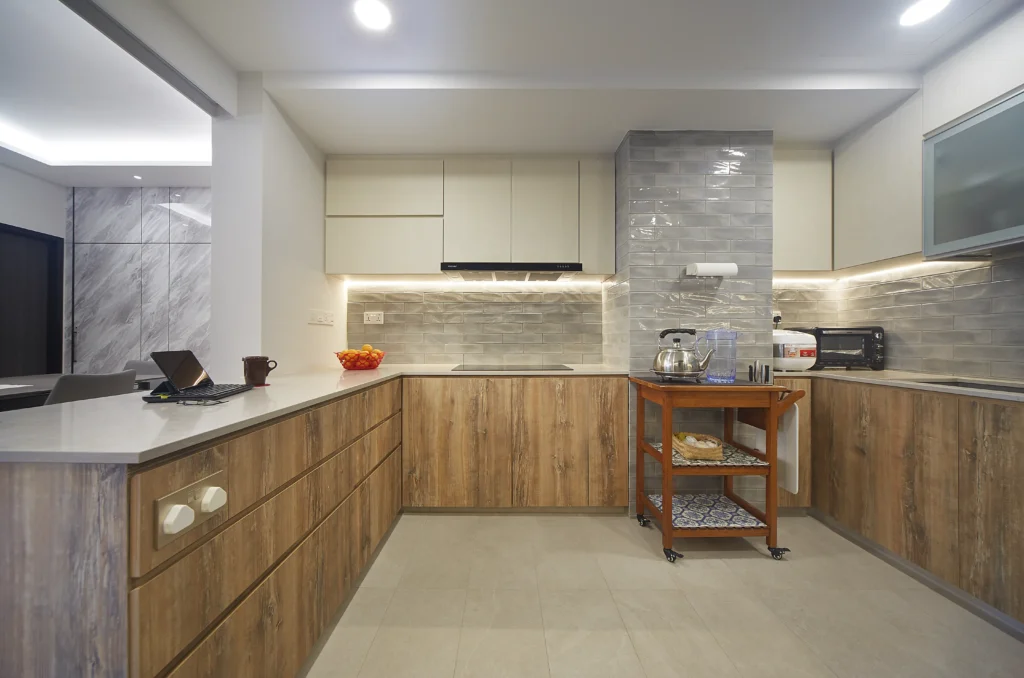
Renovating a home is an exciting opportunity to create a space that better fits your lifestyle, improves functionality, and increases property value. However, without a proper home renovation checklist, even a well-planned project can quickly become stressful, expensive, and time-consuming.
A home renovation checklist is a structured guide that helps homeowners organize every stage of a renovation project—from defining goals and setting a realistic budget to selecting materials, hiring professionals, and inspecting the final work. Instead of making decisions at the last minute, a checklist allows you to anticipate challenges, stay within budget, and achieve better renovation outcomes.
Whether you’re renovating an HDB flat, condominium, landed property, or apartment in Singapore, having a comprehensive checklist ensures every detail is considered before construction begins.
Why Is a Home Renovation Checklist Important?
Planning ahead can significantly reduce costly mistakes and project delays. According to industry reports from home improvement organizations, poor planning and frequent design changes remain among the leading reasons renovation projects exceed their original budgets.
A renovation checklist helps homeowners:
Stay organized throughout the project
Set realistic expectations for costs and timelines
Reduce unexpected expenses
Improve communication with designers and contractors
Make informed design and material decisions
Ensure every room receives proper attention
Think of it as a roadmap that guides every renovation decision from start to finish.
Complete Home Renovation Checklist
Below is a practical checklist that many professional interior designers recommend before any renovation begins.
Stage
What to Do
Why It Matters
Planning
Define renovation goals
Keeps the project focused
Budget
Set a realistic spending limit
Prevents overspending
Design
Choose your preferred interior style
Creates visual consistency
Contractor
Select an experienced renovation team
Ensures quality workmanship
Materials
Decide on finishes and furnishings early
Avoids delays
Timeline
Create a renovation schedule
Keeps the project on track
Inspection
Check completed work thoroughly
Ensures quality before handover
Step 1: Clearly Define Your Renovation Goals
Before choosing paint colors or furniture, determine exactly what you want to achieve.
Ask yourself:
Do you need more storage?
Is your kitchen no longer functional?
Are you planning to increase your property’s resale value?
Do you want a modern or timeless interior?
Having clear priorities helps your designer recommend solutions that fit both your needs and your budget.
Pro Tip: Write down your “must-have” features separately from your “nice-to-have” ideas. This makes budgeting much easier if adjustments become necessary.
Step 2: Establish a Realistic Budget
One of the biggest renovation mistakes is underestimating the total cost.
A well-prepared budget should include:
Interior design fees
Renovation work
Carpentry
Flooring
Electrical works
Plumbing
Painting
Furniture
Appliances
Lighting
Contingency fund (around 10–15%)
Pro Tip: Avoid spending your entire budget before construction begins. Unexpected costs are common in renovation projects.
Step 3: Choose an Interior Design Style
Your preferred style influences nearly every renovation decision.
Popular home styles in Singapore include:
Modern Minimalist
Scandinavian
Contemporary
Japandi
Industrial
Luxury Modern
Instead of combining multiple styles randomly, select one primary design direction and use complementary elements throughout the home.
This creates visual harmony and simplifies furniture selection.
Pro Tip: Create a digital inspiration board before meeting your interior designer. It helps communicate your preferences more effectively.
Step 4: Hire the Right Interior Design and Renovation Team
Choosing experienced professionals is one of the most important decisions you’ll make.
Look for a company that offers:
Proven renovation experience
Professional interior designers
Transparent quotations
Clear project timelines
Good client communication
Quality workmanship
Comprehensive project management
Experienced teams can often identify potential issues before construction starts, saving both time and money.
Pro Tip: Always review previous renovation projects and ask detailed questions during consultations.
Step 5: Select Materials Before Renovation Begins
Material availability can directly affect your renovation timeline.
Try to finalize selections early, including:
Flooring
Countertops
Kitchen cabinets
Bathroom fixtures
Wall finishes
Lighting
Doors
Wardrobes
Early material selection minimizes delays caused by backorders or design changes.
Pro Tip: Balance aesthetics with durability. High-traffic areas often benefit from materials that are easier to maintain.
Step 6: Inspect Every Detail Before Project Completion
Never assume everything is perfect during handover.
Inspect:
Cabinet alignment
Door operation
Flooring finishes
Wall paint
Electrical outlets
Plumbing fixtures
Lighting installation
Silicone sealing
Window functionality
Document any issues immediately so they can be resolved before the project officially concludes.
Pro Tip: Prepare a simple punch list and review every room carefully with your renovation team.
Common Home Renovation Mistakes to Avoid
Even experienced homeowners can overlook important details during renovation. Some of the most common mistakes include changing the design midway, overlooking storage needs, choosing materials based only on appearance, or hiring contractors solely because they offer the lowest price.
Understanding these pitfalls before starting your renovation can save both time and money. For a deeper guide, read our article on renovation mistakes to avoid in 2026.
Pro Tip: Small planning mistakes at the beginning often become expensive problems later.
Quick Reference Checklist
Before starting your renovation, confirm that you have completed the following:
Defined your renovation goals
Established a realistic budget
Chosen your preferred design style
Selected an experienced renovation team
Finalized materials
Planned the renovation schedule
Prepared a contingency fund
Created a final inspection checklist
This simple checklist helps reduce uncertainty and keeps your renovation project organized from beginning to end.
Conclusion: Start Your Home Renovation with Confidence
A successful renovation begins long before construction starts. Following a detailed home renovation checklist allows you to make informed decisions, manage your budget wisely, and avoid unnecessary setbacks throughout the project.
At ARTrend Design, we combine decades of experience in residential and commercial interior design with a client-focused renovation process that prioritizes careful planning, quality craftsmanship, and functional design. From the initial consultation to project completion, our team works closely with homeowners to transform ideas into beautifully designed living spaces that suit modern lifestyles.
If you’re ready to begin your renovation journey, visit ARTrend to explore our portfolio, discover expert renovation insights, and connect with our experienced interior design team. Let ARTrend Design help you turn your renovation plans into a home you’ll enjoy for years to come.
FAQs (Frequently Asked Questions)
How early should I start planning a renovation?
Ideally, begin planning at least two to three months before construction starts. This gives enough time for design discussions, budgeting, approvals, and material selection.
Should I hire an interior designer?
For larger renovation projects, working with an experienced interior designer can improve functionality, optimize space, and help avoid costly mistakes.
How much contingency budget should I prepare?
Most professionals recommend setting aside approximately 10–15% of your total renovation budget for unexpected expenses.
How much contingency budget should I prepare?
Most professionals recommend setting aside approximately 10–15% of your total renovation budget for unexpected expenses.
Can I renovate one room at a time?
Yes. Professional designers can optimize layouts, enhance functionality, and create office spaces that align with your business goals.