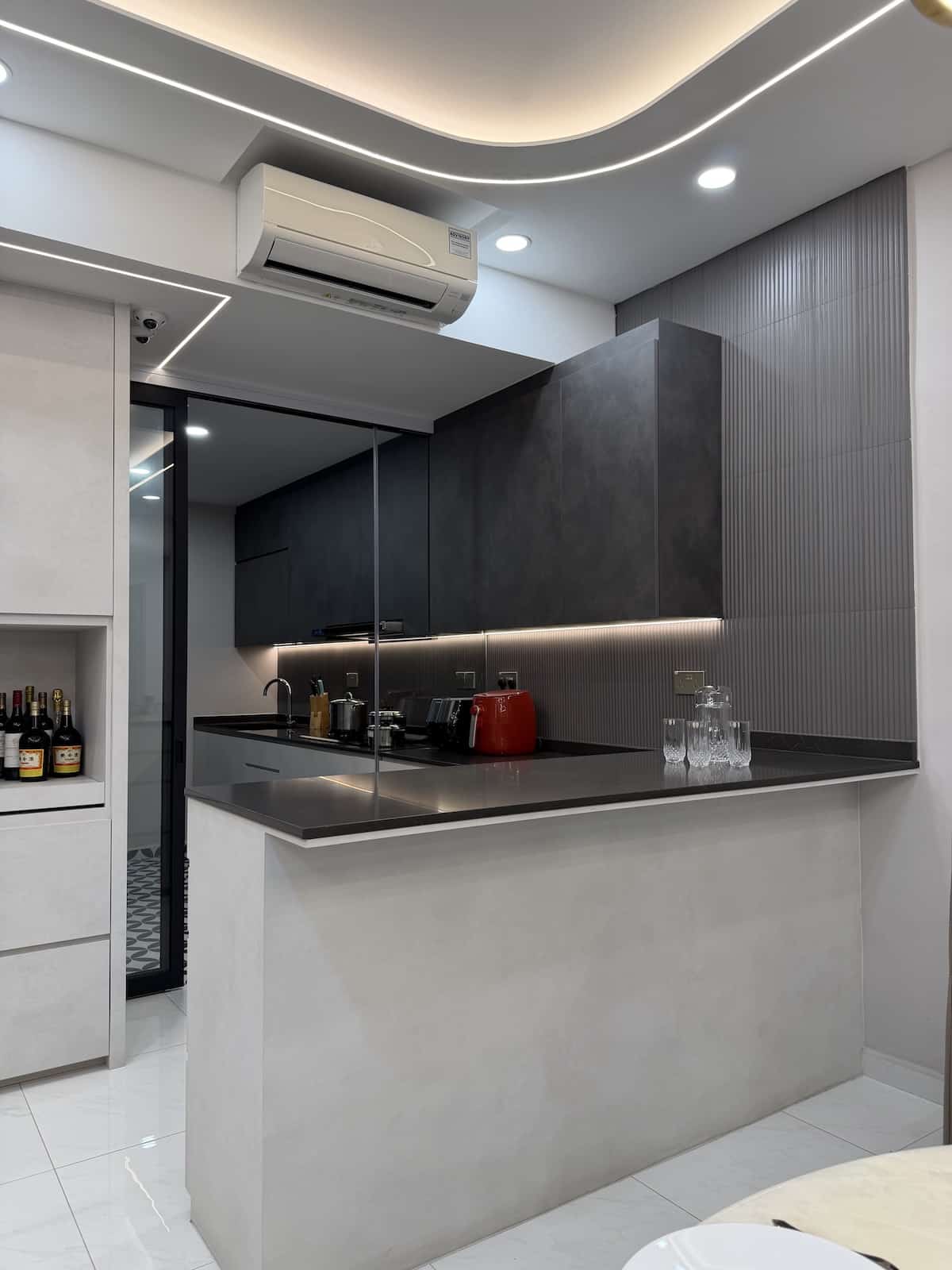
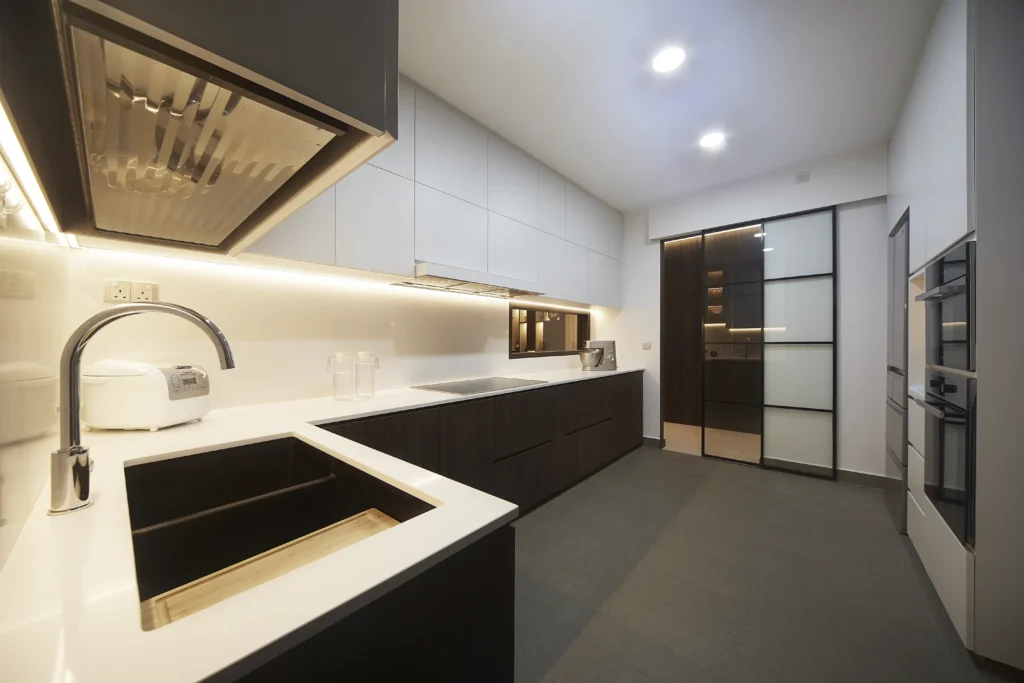
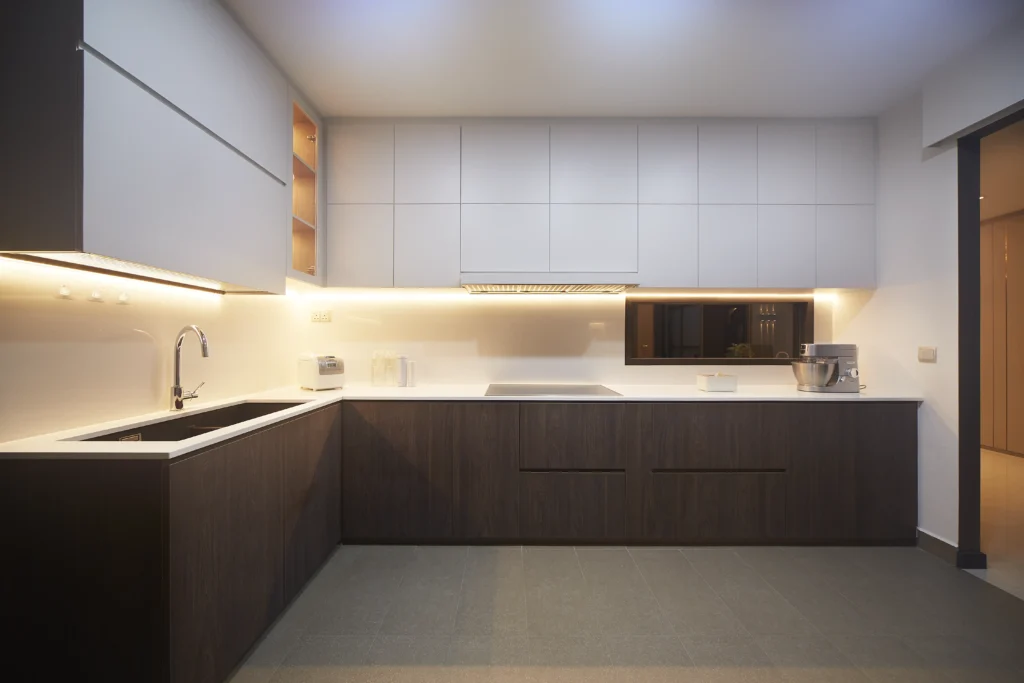
Affordable kitchen renovations are home improvement projects that upgrade a kitchen’s appearance, functionality, and storage while keeping expenses within a manageable budget. For homeowners in Singapore, achieving an attractive and practical kitchen does not always require expensive materials or a complete structural makeover. With thoughtful planning, suitable material choices, and efficient space utilisation, even a small kitchen can become a comfortable and well-organised space.
Whether you live in an HDB flat, condominium, or landed property, the key to affordable kitchen renovations is understanding where your money makes the biggest difference. From refreshing cabinet finishes and improving lighting to choosing durable countertops and optimising storage, small changes can create noticeable improvements without unnecessary spending.
1. Why Should You Consider Affordable Kitchen Renovations?
The kitchen is one of the most frequently used areas in any home. It supports daily activities such as cooking, food preparation, cleaning, and family gatherings. Over time, cabinets may become worn, countertops may lose their appeal, and existing layouts may no longer suit household needs.
However, replacing everything is not always necessary.
Affordable kitchen renovations allow homeowners to improve their kitchens by prioritising essential upgrades instead of spending on unnecessary features.
Some important benefits include:
Better functionality: Improve kitchen layouts and make everyday activities more convenient.
Improved storage: Introduce cabinets, drawers, and organisers to reduce clutter.
Updated appearance: Refresh outdated finishes with modern colours and materials.
Better maintenance: Choose surfaces that are easier to clean and maintain.
Budget control: Focus spending on upgrades that provide practical long-term value.
A well-planned renovation should balance appearance, durability, and everyday convenience rather than simply following the latest interior design trends.
2. Set a Realistic Budget Before Starting
One of the most important steps in affordable kitchen renovations is establishing a realistic budget before selecting materials or discussing design ideas.
Without a clear spending plan, homeowners may gradually add unnecessary features, change material selections, or make design adjustments that increase the overall renovation cost.
Start by identifying the kitchen improvements that matter most.
Separate Essential Upgrades from Optional Features
Not every part of your kitchen needs to be renovated simultaneously.
For example, damaged cabinet doors, leaking plumbing connections, and inadequate electrical provisions should receive attention before decorative improvements.
Consider dividing your renovation priorities into three categories:
This approach makes it easier to allocate your budget where it matters most.
Understand the Main Kitchen Renovation Costs
Several factors influence the final cost of a kitchen renovation.
Cost Factor
What Influences the Cost?
Cabinetry
Dimensions, materials, finishes, and customisation
Countertops
Material selection, thickness, and installation
Flooring
Existing condition, material, and installation requirements
Backsplash
Tile selection, surface preparation, and coverage
Lighting
Fixture types and electrical requirements
Plumbing
Pipe condition, sink location, and modifications
Labour
Project scope, complexity, and installation requirements
Instead of choosing the cheapest option for every component, compare the expected lifespan, maintenance requirements, and overall suitability of each material.
3. Choose Cost-Effective Kitchen Cabinet Designs
Cabinetry is one of the most noticeable elements in a kitchen. It influences the overall appearance, available storage, and organisation of the space.
Fortunately, homeowners can achieve attractive results without choosing elaborate or expensive cabinet designs.
Consider Simple and Functional Cabinet Styles
Minimalist kitchen cabinets are popular because they create a clean appearance while remaining practical.
Some budget-conscious options include:
Flat-panel cabinet doors.
Simple laminate finishes.
Neutral-coloured cabinetry.
Standardised cabinet dimensions where suitable.
Open shelving for selected lightweight kitchen items.
These designs can reduce unnecessary decorative details while maintaining a coordinated interior.
Use Custom Carpentry Where It Adds Value
Standard cabinets may work well for straightforward layouts. However, kitchens with unusual dimensions, awkward corners, or limited storage may benefit from customised solutions.
Custom carpentry can help homeowners use available space more efficiently.
For example, a cabinet designed around a specific kitchen corner may provide storage that a standard unit cannot accommodate.
The important consideration is to customise only where it provides a clear functional benefit.
ARTrend Design incorporates custom-made carpentry into its renovation offerings, allowing cabinetry and interior fittings to be considered as part of a coordinated design approach.
4. Select Affordable and Durable Kitchen Materials
Material selection plays a major role in affordable kitchen renovations. A suitable material should fit your budget while handling everyday kitchen activities.
Choosing a surface based only on its appearance may result in additional maintenance or replacement expenses later.
Compare Popular Kitchen Materials
Material
Main Advantages
Considerations
Laminate
Available in different colours and patterns
Protect edges from prolonged moisture
Quartz
Non-porous and relatively easy to maintain
Usually requires a higher initial investment
Ceramic tiles
Versatile and suitable for backsplashes
Grout requires regular cleaning
Vinyl flooring
Available in various designs
Select products suitable for the intended environment
Solid wood
Natural and warm appearance
Requires appropriate maintenance
The best material depends on your kitchen layout, cooking habits, maintenance preferences, and budget.
Choose Materials That Are Easy to Maintain
A kitchen experiences regular exposure to heat, moisture, food spills, and cleaning products.
Therefore, consider:
Moisture-resistant cabinet finishes.
Easy-to-clean backsplash surfaces.
Durable countertop materials.
Suitable flooring with good maintenance characteristics.
Hardware that can withstand frequent use.
A slightly more durable material may offer better value over time than an inexpensive option that requires frequent replacement.
5. Maximise Storage Without Increasing the Kitchen Size
Many Singapore homes have compact kitchens where every available area matters.
Rather than expanding the kitchen, homeowners can improve its functionality through smarter storage solutions.
Make Better Use of Vertical Space
Wall-mounted cabinets can create additional storage without taking up valuable floor space.
Consider installing:
Full-height cabinets where appropriate.
Overhead storage units.
Wall-mounted shelves.
Hanging racks for frequently used utensils.
Organised compartments for kitchen supplies.
However, ensure that frequently used items remain accessible and that storage installations do not interfere with ventilation or essential services.
Introduce Practical Drawer Organisers
A disorganised kitchen can make even a reasonably sized space feel crowded.
Drawer organisers help separate utensils, cooking tools, and smaller kitchen accessories.
Other useful additions include:
Pull-out pantry systems.
Adjustable shelving.
Corner cabinet organisers.
Dedicated spaces for appliances.
Built-in waste sorting compartments.
These improvements help reduce countertop clutter and make everyday cooking more convenient.
6. Refresh Your Kitchen with Better Lighting
Lighting is another relatively simple way to improve the overall kitchen environment.
A poorly illuminated kitchen can make food preparation less convenient and affect the appearance of cabinets, countertops, and other surfaces.
A practical kitchen lighting plan should include several layers.
General Lighting
General lighting provides overall illumination throughout the kitchen.
Ceiling lights and suitable recessed fixtures can help create consistent brightness.
Task Lighting
Task lighting focuses on areas where specific activities take place.
Examples include:
Under-cabinet lighting.
Lighting above preparation countertops.
Additional illumination around cooking areas.
Accent Lighting
Accent lighting highlights selected design features, such as open shelving or decorative displays.
For affordable kitchen renovations, prioritise functional lighting first before adding decorative fixtures.
7. Keep the Existing Kitchen Layout Where Possible
Changing the entire kitchen layout can introduce additional work involving plumbing, electrical installations, cabinetry, and other building components.
If your current layout is functional, retaining its general arrangement may help keep renovation costs more manageable.
For example, homeowners can consider:
Replacing cabinet doors without changing cabinet positions.
Updating countertops while retaining suitable base cabinets.
Refreshing the backsplash.
Replacing outdated handles and fittings.
Improving storage within existing cabinetry.
However, retaining an existing layout should not come at the expense of safety or functionality. Existing plumbing, electrical conditions, and damaged structures should be assessed before deciding which components can remain.
If you are planning a wider home renovation, understanding what to renovate first can also help you coordinate kitchen improvements with other areas of the property.
8. Consider Small Kitchen Design Ideas for Singapore Homes
Small kitchens require thoughtful planning because limited floor space can affect movement, storage, and appliance placement.
Fortunately, a compact kitchen can still feel comfortable and visually appealing.
Use a Light and Consistent Colour Palette
Light colours such as white, beige, and soft grey can create a brighter visual appearance.
Combining these shades with subtle woodgrain finishes can introduce warmth without making the kitchen feel visually crowded.
Choose Space-Saving Appliances
Compact appliances may help free up valuable countertop and storage space.
Depending on household requirements, consider:
Slim refrigerators.
Built-in microwaves.
Compact dishwashers.
Integrated cooking appliances.
Before purchasing, check appliance dimensions and ensure that the kitchen layout can accommodate the required electrical and ventilation provisions.
Maintain Clear Walkways
A kitchen should provide sufficient space for people to move comfortably between preparation, cooking, and cleaning areas.
Avoid overcrowding the kitchen with oversized furniture, unnecessary accessories, or poorly positioned appliances.
Good circulation is just as important as attractive finishes.
9. Avoid Common Mistakes That Increase Renovation Costs
Even affordable kitchen renovations can become expensive when important planning decisions are overlooked.
Here are some common mistakes homeowners should avoid.
1. Choosing materials based only on price
The cheapest material may not provide the durability or maintenance characteristics required for regular kitchen use.
2. Ignoring existing plumbing issues
Unresolved plumbing problems can affect newly installed cabinets, flooring, and other finishes.
3. Changing designs during construction
Frequent changes may affect material orders, installation schedules, and labour requirements.
4. Underestimating storage requirements
Insufficient storage can lead to additional furniture purchases and unnecessary countertop clutter.
5. Forgetting electrical planning
Appliance positions, power points, and lighting should be considered before cabinetry and other fixed elements are finalised.
6. Spending too much on decorative features
Premium accessories and elaborate finishes may look attractive, but they should not take priority over essential functional improvements.
A clear renovation scope and proper coordination can help minimise avoidable expenses.
10. How to Plan Affordable Kitchen Renovations Step by Step
A structured renovation process makes it easier to manage decisions and keep the project aligned with your budget.
Follow these practical steps:
Step 1: Assess your existing kitchen
Identify damaged surfaces, outdated fixtures, storage problems, and areas that need improvement.
Step 2: Define your renovation goals
Decide whether you want better storage, improved lighting, updated cabinetry, or a more functional kitchen layout.
Step 3: Establish your budget
Determine your spending limit and reserve an appropriate contingency for unexpected issues.
Step 4: Compare design and material options
Review suitable materials, finishes, cabinetry styles, and appliances before making final decisions.
Step 5: Consult an interior design professional
Discuss the existing layout, renovation requirements, technical considerations, and potential design solutions.
Step 6: Review the renovation quotation
Check the scope of work, material specifications, installation requirements, exclusions, and payment arrangements.
Step 7: Coordinate the renovation work
Confirm the sequence of plumbing, electrical, surface preparation, cabinetry installation, and finishing work.
Step 8: Inspect the completed kitchen
Check cabinet alignment, drawers, countertops, plumbing fixtures, lighting, and visible finishes before handover.
11. Why Work with an Experienced Interior Design Company?
Planning affordable kitchen renovations involves more than choosing attractive cabinets and countertops. It requires coordination between design, space planning, materials, carpentry, plumbing, electrical work, and installation.
For homeowners, this combination is useful because kitchen cabinetry, material selections, and wider interior improvements can be considered together rather than as disconnected tasks.
When evaluating an interior design company, consider the following:
Previous residential renovation projects.
Experience with different property types.
Understanding of practical kitchen layouts.
Material and finishing recommendations.
Custom carpentry capabilities.
Project coordination and communication.
Clear quotations and renovation scope.
You can explore ARTrend’s interior renovation services in Singapore to learn more about its renovation solutions, custom-made carpentry, flooring, curtains, and upholstery offerings.
Conclusion: Create a Beautiful Kitchen with Affordable Kitchen Renovations
Affordable kitchen renovations are about making informed design decisions that balance cost, functionality, durability, and visual appeal. From refreshing cabinets and selecting practical materials to improving lighting and maximising storage, homeowners can achieve meaningful improvements without completely transforming their existing kitchen layout.
If you are planning a kitchen upgrade in Singapore, visit ARTrend Design to explore professional interior design and renovation solutions. With experience in residential interiors and custom carpentry, ARTrend can help you consider practical design options for creating a kitchen that complements your home and lifestyle.
A thoughtfully planned kitchen is not simply about how it looks today. It is about creating a functional space that continues to serve your household well for years to come.
FAQs (Frequently Asked Questions)
How much do affordable kitchen renovations cost in Singapore?
Costs depend on kitchen size, materials, cabinetry, and renovation scope.