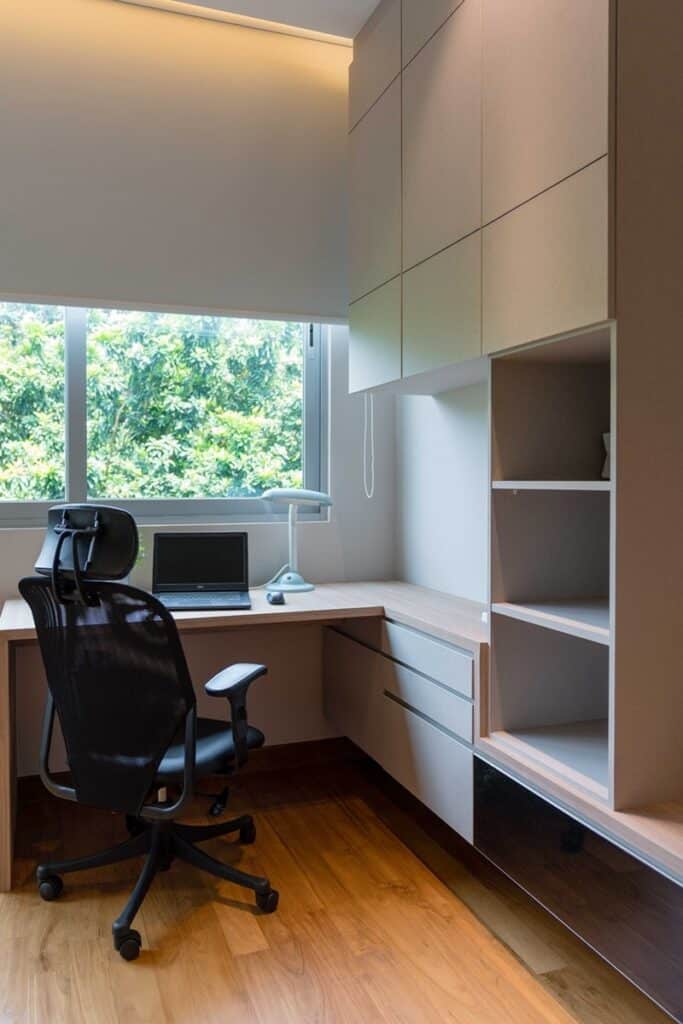
The best lighting for small rooms combines ambient, task, and accent lighting to make compact spaces feel brighter, more comfortable, and visually spacious. By choosing suitable light fixtures, placing them strategically, and maximising natural light, homeowners can improve the appearance and functionality of a small room without major renovation work.
Lighting plays an important role in interior design because it affects how people perceive the size, colour, and atmosphere of a space. A room with insufficient lighting may feel dark and enclosed, while a thoughtfully illuminated room can appear more open and inviting.
Whether you are designing a small bedroom, apartment living room, study area, or compact dining space, the right lighting choices can make a noticeable difference. This guide explores 10 practical lighting ideas, explains which fixtures work best in different rooms, and highlights common mistakes to avoid.
Why Is Lighting Important in Small Rooms?
Lighting does more than illuminate a room. It helps define different areas, highlights interior features, and improves the overall experience of a space.
In smaller rooms, poorly positioned lighting can create harsh shadows, dark corners, and uneven brightness. These problems may make the room feel more confined than it actually is.
A well-planned lighting design can provide several benefits:
Creates a brighter appearance: Properly distributed light helps reduce dark areas.
Improves visual spaciousness: Light reflected from suitable walls and ceilings can make a room feel more open.
Enhances functionality: Task lighting supports activities such as reading, studying, cooking, and working.
Adds depth and character: Accent lighting highlights artwork, shelving, and architectural details.
Improves comfort: Suitable brightness and colour temperature create a more pleasant environment.
The most effective approach is to combine different lighting sources instead of relying entirely on one ceiling light. Layered lighting allows you to adjust the atmosphere and brightness according to the room’s purpose.
10 Best Lighting Ideas for Small Rooms
1. Use Layered Lighting Instead of One Ceiling Light
Layered lighting is one of the most effective ways to illuminate a small room. It combines different light sources to provide general illumination, focused brightness, and visual interest.
There are three main lighting layers:
Ambient lighting: Provides overall illumination through ceiling fixtures, recessed downlights, or indirect lighting.
Task lighting: Directs light towards specific activities, such as reading or working at a desk.
Accent lighting: Highlights decorative features, artwork, shelves, or textured walls.
For example, a small living room could use a ceiling light for general brightness, a table lamp beside the sofa, and a subtle LED strip behind a television unit.
Each source serves a different purpose, allowing you to adjust the lighting without making the entire room excessively bright.
Best for: Living rooms, bedrooms, studio apartments, and multipurpose spaces.
2. Choose Flush-Mount or Semi-Flush-Mount Ceiling Lights
In rooms with low ceilings, large hanging fixtures can make the space feel crowded. Flush-mount and semi-flush-mount ceiling lights provide illumination without taking up as much visual space.
A flush-mount fixture sits close to the ceiling, while a semi-flush-mount fixture hangs slightly below it.
Consider these options:
Flush-mount LED ceiling lights for compact bedrooms.
Low-profile ceiling fixtures for narrow hallways.
Small semi-flush-mount lights for dining areas with moderate ceiling height.
Recessed downlights where the ceiling construction allows installation.
Choose fixtures that distribute light evenly and avoid excessive glare. A simple design with a suitable light output can provide effective illumination without dominating the room.
Before installing recessed lights, check the ceiling depth, wiring requirements, and compatibility with existing building conditions.
3. Install Wall Sconces to Save Floor Space
Wall sconces provide illumination without requiring a table or occupying valuable floor space. They are especially useful in small bedrooms, narrow hallways, and compact living areas.
Depending on the design, wall lights can provide ambient, task, or accent lighting.
Useful applications include:
Reading sconces beside a bed.
Wall lights beside a sofa.
Decorative fixtures along a hallway.
Adjustable wall lamps near a study desk.
Accent lights that highlight artwork or textured surfaces.
Position wall sconces carefully to avoid glare and unwanted shadows. Adjustable fixtures are useful when you need focused light for reading or other activities.
If you are planning a renovation, determine the fixture positions and switch locations early so the electrical wiring can be installed appropriately.
4. Use Mirrors to Reflect Natural and Artificial Light
Mirrors can make a small room feel brighter by reflecting available light and creating a sense of visual depth.
Place a mirror where it can reflect daylight from a window or distribute light from a nearby lamp. A large mirror on a suitable wall can also make the room appear more open.
Try these ideas:
Position a mirror opposite or adjacent to a window, depending on the room layout.
Use mirrored wardrobe doors in compact bedrooms.
Add a mirror near an entrance to increase the sense of openness.
Combine mirrors with wall lights for additional visual interest.
However, mirrors work best when they reflect an attractive or uncluttered area. Reflecting a crowded shelf or an overly bright fixture may create visual distractions instead.
Mirrors should complement a good lighting plan rather than replace adequate illumination.
5. Choose the Right Colour Temperature
Colour temperature affects whether a room feels warm, neutral, or cool. It is measured in kelvins (K), with lower values generally producing warmer-looking light and higher values producing cooler-looking light.
Choosing an appropriate colour temperature helps create the right atmosphere for each room.
Colour Temperature
Appearance
Suitable Applications
2700K–3000K
Warm white
Bedrooms, living rooms, relaxing spaces
Around 3500K
Neutral to slightly warm
Flexible multipurpose rooms
Around 4000K
Neutral white
Study areas, kitchens, workspaces
5000K and above
Cool daylight appearance
Selected task-focused environments
These are general guidelines rather than strict rules. The best choice depends on the room’s finishes, available daylight, personal preferences, and activities.
For bedrooms and living rooms, warm white lighting often creates a relaxed atmosphere. In study areas, neutral white may provide a clearer working environment.
Try to maintain a consistent colour temperature within each visual zone. Mixing noticeably different white tones in one small room can make the lighting feel disconnected.
6. Add LED Strip Lighting for a Modern Look
LED strip lighting is a versatile option for small rooms because it can illuminate specific areas without requiring large fixtures.
When installed in suitable locations, indirect LED lighting can create a soft glow and highlight architectural details.
Popular applications include:
Under floating shelves.
Behind television units.
Beneath selected cabinets.
Inside wardrobes.
Along suitable ceiling recesses.
Behind headboards.
For a small bedroom, LED strips behind a headboard can provide subtle background lighting without taking up bedside table space. In a living room, lighting beneath a floating cabinet can help create a lighter visual appearance.
Choose LED strips with suitable brightness and colour quality for their intended purpose. Task areas may require stronger illumination than decorative features.
Also consider access for maintenance, power supply placement, heat management, and dimming compatibility before installation.
7. Maximise Natural Light During the Day
Natural light is one of the simplest ways to brighten a small room without adding more light fixtures.
Keeping windows unobstructed allows daylight to reach more of the room, making the space feel more open and connected to the outdoors.
Practical ways to improve natural light include:
Use lightweight curtains that allow daylight to pass through.
Keep bulky furniture away from windows where practical.
Choose window treatments that suit the room’s privacy requirements.
Use light-coloured finishes that reflect rather than absorb more light.
Keep window sills organised and avoid unnecessary obstructions.
If privacy is important, consider sheer curtains combined with suitable blinds rather than leaving the windows completely uncovered.
Natural light changes throughout the day, so it should be complemented by artificial lighting for evenings and darker conditions.
8. Use Floor and Table Lamps with Compact Designs
Floor and table lamps can introduce additional lighting without requiring major renovation work. They are also flexible because you can reposition them as your furniture arrangement changes.
For small rooms, look for lamps with compact bases, slim profiles, and shades that direct light appropriately.
Suitable options include:
Slim floor lamps beside a sofa.
Small table lamps on narrow consoles.
Adjustable desk lamps for study areas.
Clip-on reading lights for beds or shelves.
Lamps with built-in shelves where practical.
Position lamps in corners or beside furniture where they will not obstruct walking paths. In narrow rooms, a wall-mounted or clip-on alternative may be more practical than a floor lamp.
Choose lamps that provide enough light for their intended use while complementing the room’s overall design.
9. Highlight Walls and Corners with Indirect Lighting
Dark corners can make a small room feel unevenly illuminated. Indirect lighting can help soften these areas by bouncing light off walls or ceilings.
Examples include wall-washing fixtures, uplighters, and concealed LED strips.
Consider these placements:
An uplighter in a suitable corner of the living room.
Concealed lighting above selected cabinets.
Wall-washing lights to highlight a feature wall.
Indirect lighting around a ceiling recess.
Soft illumination behind a headboard or television unit.
Indirect lighting can provide a comfortable visual effect because the light is reflected from a surface rather than shining directly into the eyes.
However, the result depends on the wall colour, fixture output, placement, and surface finish. Test the lighting effect where possible before committing to a permanent installation.
10. Use Dimmable Lights for Flexible Brightness
A small room often serves multiple purposes throughout the day. A bedroom might be used for sleeping, reading, working, and getting dressed, while a living room may function as a relaxation area and occasional workspace.
Dimmable lighting allows you to adjust brightness according to the activity.
For example:
Use brighter lighting when cleaning or organising.
Reduce the brightness for watching television.
Choose comfortable lighting for reading.
Create a softer atmosphere before bedtime.
Dimmable ceiling lights, compatible LED bulbs, and adjustable lamps can provide this flexibility.
Before purchasing dimmable fixtures, confirm that the bulb, driver, switch, and dimmer are compatible. Not all LED products support every dimming system.
For a renovation project, planning separate lighting circuits can make it easier to control different layers independently.
Which Lighting Works Best for Each Small Room?
Different rooms require different combinations of lighting. The following table offers a practical starting point.
The key is to match the lighting to the room’s activities. A reading corner needs focused illumination, while a bedroom benefits from a combination of general and softer lighting.
How to Choose the Right Brightness for Small Rooms
Choosing a light based only on its wattage can be misleading. Wattage measures electrical power consumption, while lumens indicate the amount of light produced.
To select suitable lighting, consider the following factors:
1. Room size: Larger rooms generally require more total light than smaller rooms, although layout and surface finishes also matter.
2. Ceiling height: Low ceilings may benefit from compact fixtures and well-distributed light.
3. Room function: A study area requires more focused illumination than a space used mainly for relaxation.
4. Wall and furniture colours: Darker finishes tend to absorb more light, while lighter surfaces generally reflect more.
5. Glare control: A bright fixture is not necessarily comfortable if it shines directly into your eyes.
6. Natural daylight: Rooms with limited daylight may need more carefully planned artificial lighting.
Instead of maximising brightness everywhere, aim for a balanced lighting scheme that provides enough illumination for everyday activities while maintaining visual comfort.
Common Lighting Mistakes to Avoid in Small Rooms
Even attractive light fixtures can produce poor results if they are chosen or positioned incorrectly.
1. Relying on One Bright Ceiling Light
A single ceiling light may illuminate the room but leave corners and work surfaces poorly lit.
Better approach: Combine ambient lighting with task and accent lighting where appropriate.
2. Choosing Oversized Fixtures
Large chandeliers and bulky floor lamps can dominate a compact room.
Better approach: Select fixtures that suit the room’s dimensions and ceiling height.
3. Mixing Inconsistent Colour Temperatures
Combining very warm and very cool lighting in one small area can make the design feel disjointed.
Better approach: Choose coordinated colour temperatures for lights that are visible together.
4. Ignoring Task Lighting
General lighting alone may not provide sufficient illumination for reading, working, or preparing food.
Better approach: Add focused lighting near desks, countertops, beds, and other activity areas.
5. Installing Too Many Downlights
Adding more ceiling lights does not automatically create a better result. Poorly positioned fixtures can cause glare and unnecessary brightness.
Better approach: Plan fixture placement around the room’s functions and furniture layout.
6. Blocking Natural Light
Heavy curtains and bulky furniture can prevent daylight from reaching the room.
Better approach: Keep window areas as open as practical and choose window treatments suited to your privacy needs.
Pro Tips for Better Small-Room Lighting
Use these practical tips to create a brighter and more comfortable interior:
Plan lighting before renovation: Determine fixture positions, wiring, and switch locations before construction work begins.
Use multiple light sources: Combining lights at different heights creates a more balanced effect.
Choose fixtures with controlled glare: Look for designs that direct light where it is needed.
Consider the furniture layout: Position lights according to where people sit, read, work, and move.
Use dimmers where appropriate: Adjustable brightness makes a room more versatile.
Coordinate lighting with finishes: Wall colours, flooring, and furniture influence how light is reflected.
Prioritise energy-efficient LEDs: Choose suitable light output and quality rather than selecting bulbs by wattage alone.
Keep maintenance in mind: Ensure recessed fixtures, LED strips, and concealed lights remain accessible when servicing is required.
For additional inspiration on combining lighting, furniture, colours, and decorative elements, explore these house decor ideas to help create a cohesive interior design.
How to Plan Lighting During a Small-Room Renovation
If you are renovating a compact room, lighting should be considered alongside the furniture arrangement, storage plan, and electrical layout.
Follow these steps to create a practical lighting plan.
Step 1: Identify the room’s main purpose. Decide whether the room is primarily for sleeping, relaxing, studying, dining, or multiple activities.
Step 2: Assess existing light sources. Identify windows, existing ceiling fixtures, dark corners, and areas that need better illumination.
Step 3: Plan the lighting layers. Determine where ambient, task, and accent lighting would be useful.
Step 4: Select appropriate fixtures. Choose fixture sizes and styles that suit the room dimensions and ceiling height.
Step 5: Coordinate switches and controls. Decide which lights should operate independently and whether dimming is needed.
Step 6: Match lighting with interior finishes. Consider wall colours, cabinet finishes, mirrors, and furniture placement.
Step 7: Check installation requirements. Confirm electrical safety, fixture compatibility, and any relevant building or renovation requirements before installation.
A coordinated plan helps prevent misplaced lights, inconvenient switches, and unnecessary installation changes.
Conclusion
The best lighting for small rooms combines thoughtful fixture selection, layered illumination, suitable colour temperatures, and effective use of natural light. Flush-mount ceiling lights, wall sconces, LED strips, mirrors, and compact lamps can all help improve a room’s appearance without taking up excessive space.
Rather than relying on a single bright fixture, consider how different light sources can support specific activities and create visual depth. Balance general illumination with focused and decorative lighting to make the room feel more comfortable and functional.
With careful planning, even a compact bedroom, living room, or study can feel brighter and more inviting. The most successful lighting design is not necessarily the brightest one, but the one that suits the room’s dimensions, daily activities, and overall interior style.
FAQs (Frequently Asked Questions)
What is the best lighting for small rooms?
Layered lighting that combines ambient, task, and accent lights is an effective choice for most small rooms.
Does warm or cool lighting make a room look bigger?
Neither automatically makes a room look bigger. Good light distribution, suitable brightness, and reflected light are more important.
Are LED lights good for small rooms?
Yes. LEDs are available in different brightness levels, colour temperatures, and fixture designs suitable for compact spaces.
How can I brighten a small room without renovation?
Use compact lamps, keep windows unobstructed, add mirrors strategically, and choose lighter window treatments.
Should small rooms have ceiling lights and lamps?
Often, yes. Combining ceiling lights with lamps or wall lights gives you more flexibility and helps reduce dark corners.