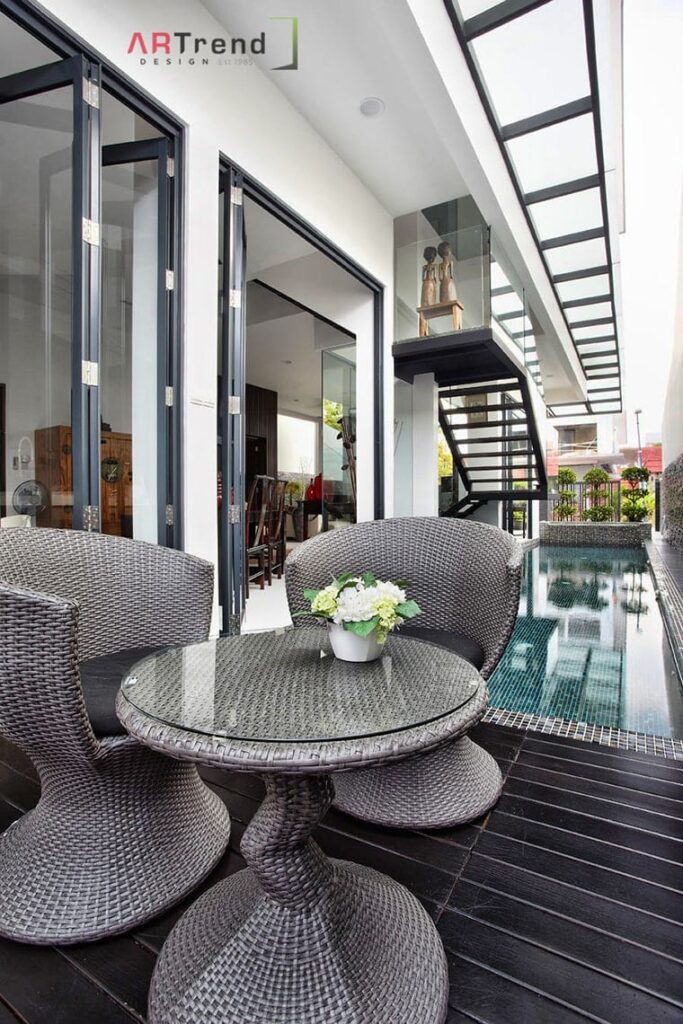
The interior design style that suits modern offices depends on a company’s culture, operational needs, and brand identity. However, contemporary, minimalist, Scandinavian, industrial, and biophilic styles are among the most popular choices because they successfully balance aesthetics, functionality, flexibility, and employee well-being.
Today’s offices are no longer designed solely for work—they are environments that encourage creativity, collaboration, innovation, and productivity. A carefully selected interior design style can improve employee satisfaction, strengthen company branding, and create a positive impression on clients and visitors.
Whether you’re renovating a startup office, corporate headquarters, co-working space, or commercial workspace, understanding the strengths of different design styles will help you create a future-ready office.
Why Does Interior Design Style Matter in Modern Offices?
Office interiors directly influence how employees work, communicate, and interact throughout the day.
A well-designed office can:
Improve employee productivity
Enhance workplace comfort
Encourage collaboration
Strengthen company culture
Reinforce brand identity
Create a professional client experience
Rather than simply decorating an office, successful interior design aligns the workspace with business objectives.
Pro Tip: Choose a design style that reflects your company’s work culture instead of following short-lived design trends.
Contemporary Office Design
Contemporary design remains one of the most versatile office styles.
Key Characteristics
Clean architectural lines
Neutral color palettes
Open layouts
Modern furniture
Best For
Corporate offices
Professional firms
Technology companies
Benefits
Timeless appearance
Flexible layouts
Easy maintenance
Professional atmosphere
Pro Tip: Use subtle accent colors that align with your company branding.
Minimalist Office Design
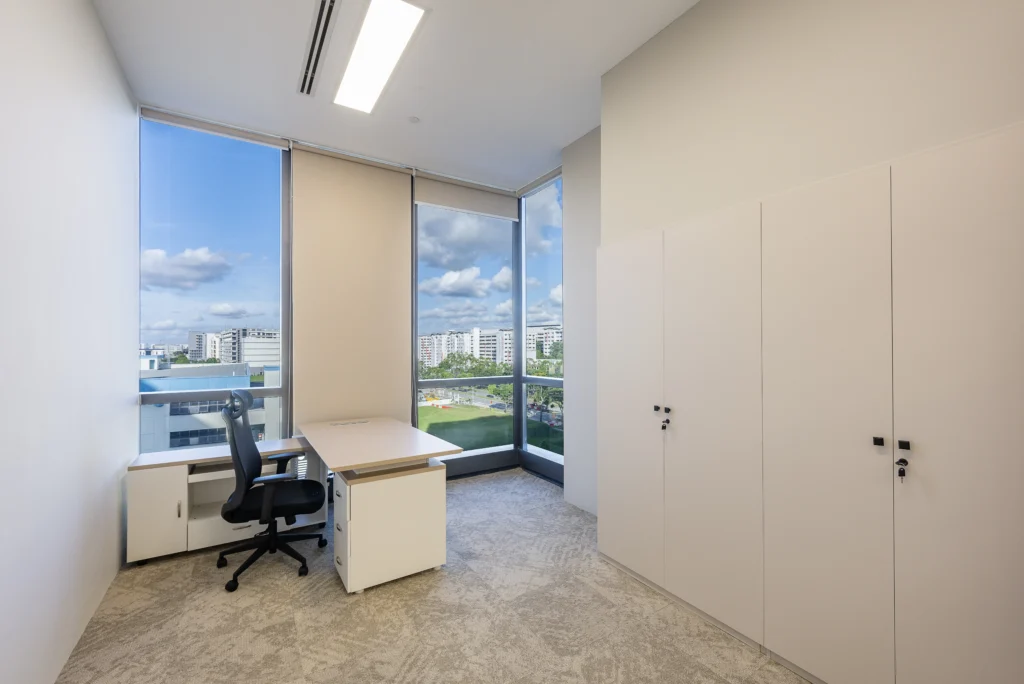
Minimalist offices focus on simplicity and functionality.
Features
Clutter-free workspaces
Hidden storage
Neutral finishes
Functional furniture
Clean layouts
Benefits
Improves concentration
Reduces distractions
Maximizes available space
Creates a calm working environment
Best For
Creative studios
Consulting firms
Small offices
Pro Tip: Prioritize quality furniture over excessive decoration to maintain a clean and elegant appearance.
Scandinavian Office Design
Scandinavian interiors combine simplicity with warmth.
Common Elements
Light timber finishes
White walls
Soft textures
Ergonomic furniture
Natural lighting
Benefits
Comfortable atmosphere
Excellent employee well-being
Bright workspaces
Timeless aesthetics
Best For
Design agencies
Marketing firms
Hybrid offices
Pro Tip: Incorporate natural materials to create a welcoming office environment.
Pro Tip: Balance industrial materials with warm lighting and greenery to avoid a cold appearance.
Biophilic Office Design
Biophilic design connects employees with nature.
Popular Features
Indoor plants
Living walls
Natural daylight
Organic materials
Outdoor-inspired colors
Benefits
Improved employee wellness
Better indoor air quality
Reduced stress
Enhanced creativity
Many modern organizations now incorporate biophilic elements as part of their workplace wellness strategy.
Pro Tip: Even a few indoor plants can significantly improve the atmosphere of an office.
How to Choose the Right Office Design Style
Every business has different operational needs. Consider the following factors before selecting a design style.
Company Culture
Collaborative businesses often benefit from open, flexible layouts.
Industry
Different industries require different workplace environments.
For example:
Law firms prioritize privacy.
Creative agencies encourage collaboration.
Technology companies emphasize flexibility.
Employee Needs
Comfortable workspaces contribute to higher productivity and job satisfaction.
Budget
Select materials and finishes that provide long-term value rather than focusing solely on initial costs.
Pro Tip
The best office design balances employee experience with business objectives.
Planning a Successful Office Renovation
A successful office renovation begins long before construction starts.
Understanding what is the renovation process helps businesses prepare realistic budgets, coordinate project timelines, obtain necessary approvals, and ensure every stage is completed efficiently.
Professional planning minimizes disruptions while delivering better design outcomes.
Pro Tip: Early planning reduces renovation risks and keeps projects on schedule.
Office Design Trends in 2026
Modern offices continue evolving to support changing work habits.
Hybrid Workspaces
Flexible layouts accommodate both remote and in-office employees.
Smart Office Technology
Businesses increasingly adopt:
Smart lighting
Automated meeting rooms
Wireless collaboration tools
Occupancy sensors
Sustainable Design
Popular sustainable features include:
Recycled materials
Energy-efficient lighting
Eco-friendly furniture
Low-emission finishes
Wellness-Focused Spaces
Companies prioritize:
Quiet zones
Relaxation areas
Collaborative lounges
Natural ventilation
Pro Tip: Future-ready offices combine technology, sustainability, and employee well-being.
Common Mistakes When Choosing an Office Design Style
Avoid these common design mistakes:
Mistake 1: Following Trends Without Strategy
Choose styles that support business operations.
Mistake 2: Ignoring Employee Comfort
Beautiful offices should also be practical and ergonomic.
Mistake 3: Overlooking Flexibility
Office layouts should adapt as businesses grow.
Mistake 4: Poor Space Planning
An attractive office still requires efficient circulation and functional layouts.
Pro Tip: A successful office is measured by how well it supports employees—not just how impressive it looks.
Conclusion: Design a Modern Office with ARTrend
Choosing the right interior design style for a modern office is about more than appearance. The ideal workspace should reflect your company culture, improve employee productivity, support collaboration, and create a lasting impression on clients. Whether you prefer contemporary, minimalist, Scandinavian, industrial, or biophilic design, thoughtful planning ensures your office remains functional and future-ready.
At ARTrend, we specialize in creating customized office interiors that combine innovative design, intelligent space planning, and practical functionality. Our experienced team works closely with businesses to develop office environments that inspire creativity, improve efficiency, and strengthen brand identity. From concept development to project completion, we deliver workplace solutions tailored to your unique business goals.
Your Next Steps
Define your company’s workplace objectives.
Select an interior design style that reflects your brand.
Optimize layouts for productivity and collaboration.
Invest in quality materials and ergonomic furniture.
Partner with ARTrend to create a modern office that supports long-term business success.
A well-designed office is an investment in your people, your brand, and your future. Visit ARTrend today and discover how our expertise can transform your workplace into an inspiring and high-performing environment.
FAQs (Frequently Asked Questions)
Which interior design style is best for modern offices?
Contemporary, minimalist, Scandinavian, industrial, and biophilic styles are among the most popular choices for modern workplaces.
Why is office interior design important?
It improves productivity, employee well-being, collaboration, and creates a professional business image.
Is minimalist design suitable for offices?
Yes. Minimalist offices reduce distractions, maximize space, and create a clean, organized working environment.
What is biophilic office design?
Biophilic design incorporates natural elements like plants, daylight, and organic materials to improve employee wellness.
Should I hire a professional office interior designer?
Yes. Professional designers can optimize layouts, enhance functionality, and create office spaces that align with your business goals.