A house makeover Singapore project is the process of refreshing, improving, or transforming a home’s appearance and functionality through changes to its layout, furniture, colours, lighting, storage, materials, and decorative elements. Unlike a complete renovation, a makeover can range from small cosmetic improvements to more extensive interior upgrades, depending on the property’s condition, budget, and homeowner’s goals.
In Singapore, homeowners may plan makeovers for HDB flats, condominiums, landed properties, BTO apartments, and resale homes. Some projects may only require new furniture, lighting, and paint, while others involve carpentry, flooring, kitchen improvements, or bathroom upgrades.
A successful house makeover should focus on more than appearance. It should also improve comfort, space utilisation, storage, maintenance, and the way the home supports everyday activities. With careful planning, homeowners can create a refreshed interior without making unnecessary changes or exceeding their budget.
What Is a House Makeover Singapore?
A house makeover Singapore project involves improving an existing home’s visual appearance, functionality, and atmosphere through selected design and renovation changes.
The scope can be small or extensive. Some homeowners may want to refresh a single room, while others may wish to update the entire home with a consistent design concept.
Common house makeover activities include:
Repainting walls
Replacing furniture
Updating lighting
Installing curtains or blinds
Improving storage
Refreshing flooring
Upgrading kitchen cabinets
Redesigning bedrooms
Adding decorative features
Improving the living room layout
Introducing smart-home solutions
The most suitable approach depends on the property’s condition, the household’s needs, and the amount of work required.
Why Consider a House Makeover in Singapore?
A house makeover can help homeowners improve their living environment without necessarily carrying out a complete renovation. It may be useful when the home feels outdated, cluttered, uncomfortable, or no longer suits the household’s lifestyle.
Common reasons for planning a makeover include:
Moving into a resale property
Preparing a new BTO flat
Updating an outdated interior
Improving storage
Creating a home office
Preparing for a growing family
Refreshing the home before a special occasion
Improving lighting and comfort
Adapting the home for older family members
A makeover can also help homeowners address specific problems without changing every part of the property.
Makeover vs Complete Renovation
House Makeover
Complete Renovation
Often focuses on selected areas
May involve most of the property
Can include furniture and décor
Commonly includes construction works
May have a smaller scope
Usually requires broader coordination
Can refresh the existing layout
May involve layout changes
Often takes less time
May require a longer project timeline
Suitable for targeted improvements
Suitable for major property upgrades
The distinction depends on the scope. A makeover involving structural, electrical, plumbing, or other regulated works may still require professional coordination and applicable approvals.
1. Define Your House Makeover Goals
The first step in a house makeover Singapore project is to identify what you want to improve.
Without clear goals, homeowners may spend money on attractive items that do not solve the home’s actual problems.
Start by asking:
Does the home feel too crowded?
Is there insufficient storage?
Does the interior look outdated?
Is the lighting uncomfortable?
Does the furniture fit the layout?
Do the rooms need better functionality?
Is the colour palette inconsistent?
Does the home need a dedicated work or study area?
Create a Makeover Priority List
Divide your goals into three categories:
Essential Improvements: Problems that affect comfort, safety, or daily functionality.
Important Improvements: Changes that improve organisation, usability, or long-term convenience.
Optional Improvements: Decorative upgrades that enhance the overall appearance.
This approach helps you allocate your budget according to actual needs.
2. Choose a Design Concept for Your Home
A consistent design concept can make a home feel more coordinated and intentional.
Popular interior directions for Singapore homes include:
Japandi
Scandinavian
Modern contemporary
Warm minimalism
Modern luxury
Industrial
Natural or biophilic design
Transitional interiors
The best style depends on your home’s layout, natural lighting, furniture requirements, and personal preferences.
Decluttering is one of the simplest and most cost-effective ways to improve a home’s appearance.
A room may appear smaller than it actually is when surfaces are filled with unused items, furniture is oversized, or storage is poorly organised.
Before buying new furniture or decorative accessories:
Remove items that are no longer needed.
Separate belongings for donation or disposal.
Organise frequently used items.
Identify storage problems.
Measure the available space.
Decide which furniture should remain.
Decluttering helps you understand what the home genuinely needs and prevents unnecessary purchases.
Pro Tip: Do not buy storage containers before sorting your belongings. First understand what needs to be stored, then choose storage solutions with suitable dimensions.
4. Refresh the Walls With Colour
Repainting is a practical way to change the atmosphere of a home without modifying the entire layout.
Colour can influence how large, bright, warm, or relaxing a room feels. The final result depends on the wall colour, natural lighting, furniture, flooring, and artificial lighting.
Wall Colour Ideas
Soft white for a clean foundation
Warm beige for a comfortable atmosphere
Light grey for a contemporary appearance
Earth tones for a natural feel
Muted green for a calming accent
Deep blue for selected feature areas
Terracotta for warmth and contrast
Before painting, test samples in the actual room. Colours can look different depending on the direction of sunlight and the type of lighting installed.
For a cohesive makeover, use a primary colour palette and introduce contrast through feature walls, furniture, artwork, and textiles.
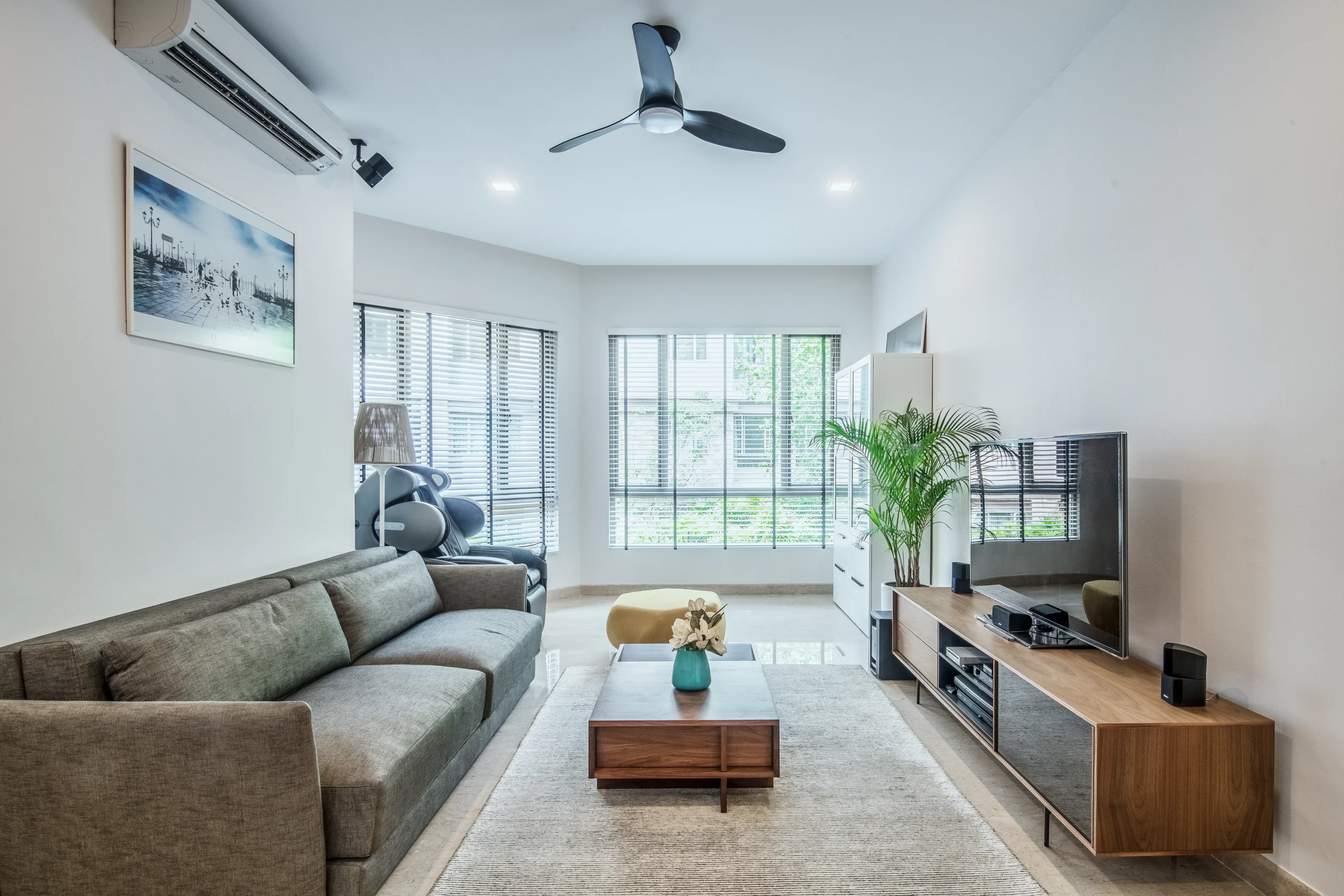
5. Improve the Living Room Layout
The living room is often one of the most frequently used spaces in a home. It may serve as a place for relaxation, entertainment, socialising, and working.
A house makeover Singapore project can improve the living room by adjusting the furniture arrangement and removing unnecessary obstacles.
Consider:
Sofa dimensions
Television placement
Coffee table size
Walking routes
Storage requirements
Lighting
Window access
Cable management
Flexible seating
Avoid selecting furniture only because it looks attractive online. Measure the available space and confirm that the furniture will not obstruct doors, walkways, windows, or storage access.
Living Room Makeover Ideas
Replace an oversized sofa with a more suitable model.
Add a rug to define the seating area.
Introduce layered lighting.
Use a feature wall behind the television.
Replace bulky furniture with multifunctional pieces.
Add concealed storage for entertainment equipment.
Use artwork or cushions to introduce colour.
A successful living room makeover should improve both the visual balance and the everyday usability of the space.
6. Upgrade Lighting for Better Comfort
Lighting can significantly change the appearance and atmosphere of a home.
A makeover does not always require replacing every light fixture. In some cases, adding task lighting, accent lighting, or decorative fixtures can improve the room considerably.
Lighting Layers for a Home
Ambient Lighting: Provides general illumination throughout a room.
Task Lighting: Supports activities such as reading, cooking, working, studying, or applying makeup.
Accent Lighting: Highlights artwork, shelves, feature walls, and architectural details.
Decorative Lighting: Adds visual character through pendant lights, wall lights, or statement fixtures.
Consider the function of each room before choosing lighting. A study area may require focused illumination, while a bedroom may benefit from softer, adjustable lighting.
For HDB properties, electrical works should follow the applicable requirements, and homeowners should engage appropriately qualified professionals when required. HDB provides guidance on electrical loading and renovation-related electrical work. (HDB renovation guidelines)
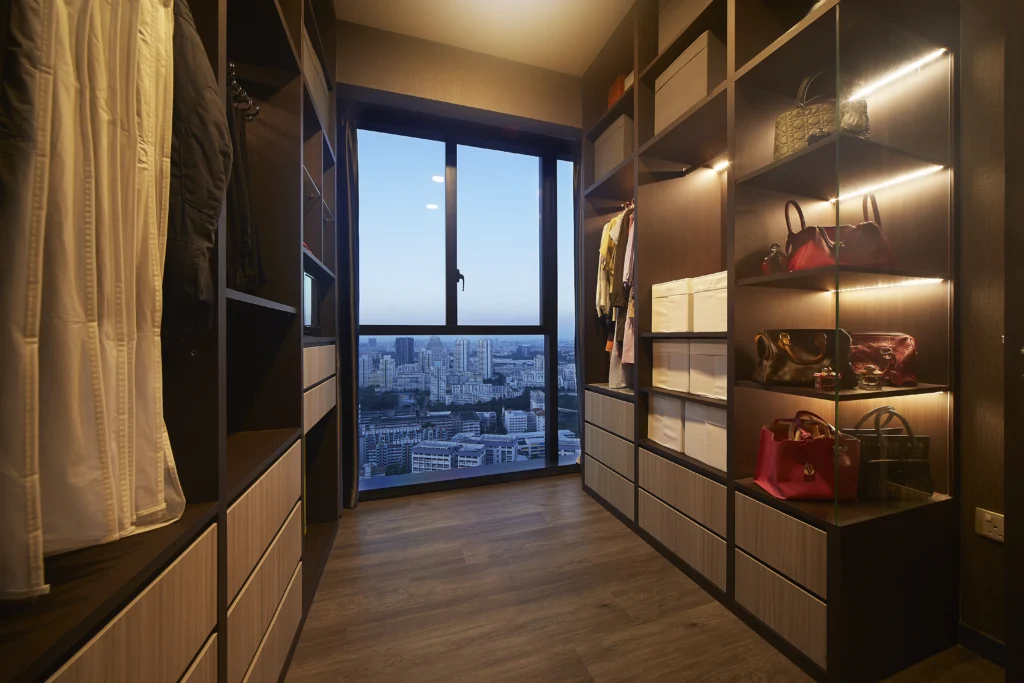
7. Add Smart Storage Solutions
Storage improvements can make a home feel more organised and spacious.
In compact Singapore homes, storage should be designed around the household’s actual belongings and daily routines.
Useful options include:
Full-height wardrobes
Built-in shoe cabinets
Under-bed storage
Kitchen organisers
Floating shelves
Concealed cabinets
Storage benches
Multifunctional furniture
Custom study cabinets
However, adding too much cabinetry can make a room feel enclosed. Combine closed storage with open areas to create visual balance.
Storage Planning Questions
What items need to be stored?
How often are they used?
Should they be visible or concealed?
Can the storage be accessed easily?
Will the household’s storage needs change?
Does the cabinet design leave enough room for movement?
Pro Tip: Plan storage based on your lifestyle rather than copying storage designs from reference images.
8. Refresh the Bedroom for Better Rest
A bedroom makeover should prioritise comfort, organisation, and relaxation.
Small adjustments to lighting, bedding, furniture placement, and storage can change the atmosphere without requiring major construction work.
Consider:
A suitable bed position
Comfortable bedside lighting
Practical wardrobe storage
Blackout curtains or blinds
Appropriate colour choices
Minimal visual clutter
Charging points
Easy cleaning access
For compact bedrooms, consider sliding wardrobe doors, wall-mounted lighting, and multifunctional furniture. Avoid placing too many decorative items around the bed or on the floor. A cleaner layout can make the bedroom feel more relaxing and easier to maintain.
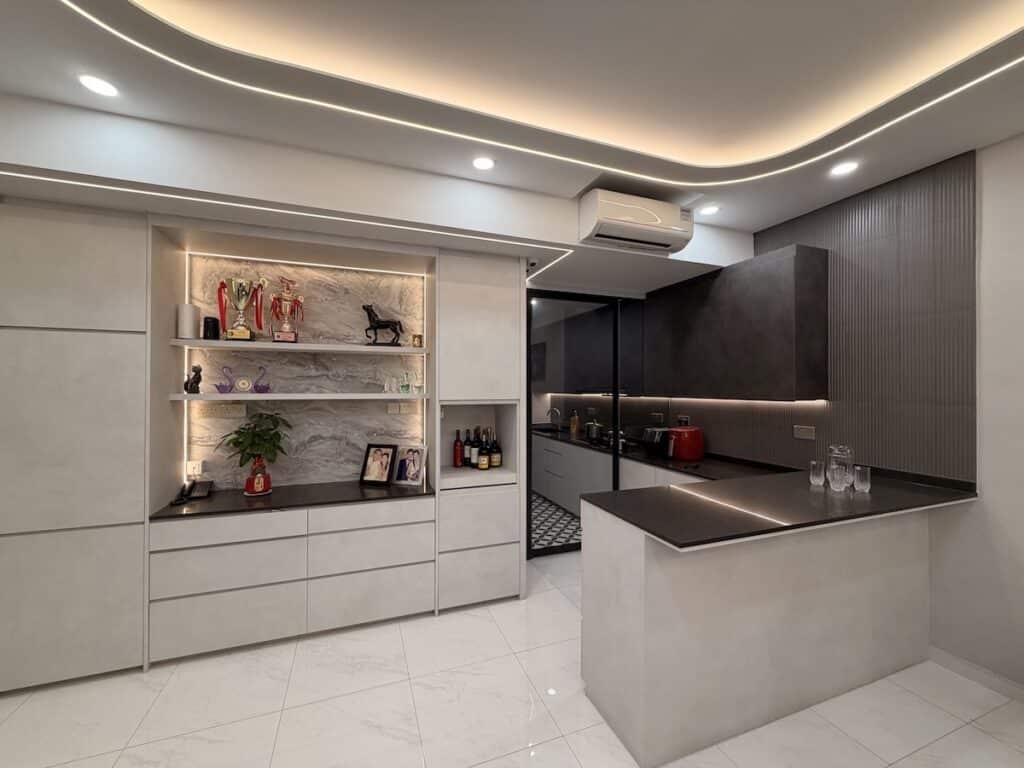
9. Give the Kitchen a Practical Refresh
A kitchen makeover can involve small cosmetic changes or more extensive upgrades, depending on the existing condition.
Possible improvements include:
Replacing cabinet handles
Updating cabinet finishes
Improving under-cabinet lighting
Adding storage organisers
Replacing selected fixtures
Updating the backsplash where permitted
Improving countertop organisation
Repositioning small appliances
Before changing kitchen fixtures or finishes, consider existing plumbing, electrical points, ventilation, and building requirements.
For HDB homes, certain kitchen renovation activities have specific conditions. HDB’s renovation guidelines cover items such as kitchen counters, flooring, plumbing, and related works. (HDB building works guidelines)
A practical kitchen refresh should improve convenience without creating unnecessary maintenance problems.
10. Introduce Textures and Decorative Details
Textures help create depth and personality in a home.
Instead of relying on many colours, homeowners can combine different materials and fabrics to make the interior feel more layered.
Possible elements include:
Curtains
Rugs
Cushions
Timber finishes
Woven baskets
Upholstered furniture
Artwork
Decorative wall panels
Indoor plants
Textured accessories
Use a consistent palette to prevent the room from feeling visually busy.
For example, a neutral living room can be enhanced with timber accents, textured fabrics, greenery, and warm lighting without requiring major structural changes.
11. Consider Flexible Furniture
Flexible furniture can be especially useful in smaller homes or households with changing needs.
Examples include:
Extendable dining tables
Sofa beds
Foldable desks
Storage benches
Nesting tables
Modular shelving
Movable side tables
Flexible pieces allow rooms to support different activities without requiring permanent layout changes.
When selecting furniture, consider its dimensions, weight, storage requirements, and ease of movement. Functionality should remain a priority alongside appearance.
12. Create a Dedicated Work or Study Corner
Many Singapore households require a suitable area for remote work, online learning, studying, or personal projects.
A dedicated work corner does not always require a separate room. It can be integrated into an existing bedroom, living room, hallway, or built-in cabinet.
Consider:
Desk dimensions
Ergonomic seating
Task lighting
Power points
Internet access
Cable management
Storage for documents
Background appearance for video calls
A work area should be positioned in a location that supports concentration and does not unnecessarily interfere with household circulation.
13. Improve the Entryway
The entrance is an important part of a house makeover because it creates the first impression of the home.
A practical entryway can help organise shoes, bags, keys, umbrellas, and other daily essentials.
Makeover ideas include:
Installing a shoe cabinet
Adding a small bench
Using wall hooks
Improving entrance lighting
Adding a washable floor mat
Creating a designated storage tray
Avoid placing too many items near the entrance, as this can obstruct movement and make the area feel cluttered.
14. Select Materials Based on Maintenance
A home makeover should consider how materials perform over time.
Some finishes may look attractive but require frequent cleaning or special care. Select materials according to the room’s usage, moisture exposure, traffic, and maintenance expectations.
Material Selection Considerations
Factor
Question
Durability
Can the material withstand daily use?
Cleaning
Is it easy to maintain?
Moisture
Is it suitable for humid areas?
Appearance
Does it match the design concept?
Repair
Can damaged sections be replaced?
Cost
Does it fit the budget?
Longevity
Will it remain suitable over time?
Kitchens, bathrooms, entrances, and high-traffic areas require particular attention because they experience regular wear and cleaning.
15. Avoid Common House Makeover Mistakes
A makeover can become expensive or inconvenient when homeowners make decisions without considering the complete space.
Common mistakes include:
Buying furniture before measuring the room
Choosing colours only from online images
Adding too many decorative items
Ignoring storage requirements
Planning lighting too late
Focusing on trends instead of lifestyle
Selecting difficult-to-maintain materials
Making changes without checking applicable requirements
A clear plan helps homeowners prioritise improvements and avoid unnecessary purchases.
House Makeover Mistakes to Avoid
Mistake
Potential Problem
Better Approach
Oversized furniture
Reduces circulation
Measure before buying
Too many decorations
Creates visual clutter
Use selected statement pieces
Poor lighting
Reduces comfort
Layer lighting sources
Insufficient storage
Everyday clutter
Plan storage early
Trend-heavy choices
Design may age quickly
Use timeless foundations
Wrong materials
High maintenance
Match materials to room use
No budget plan
Unexpected expenses
Set priorities and allowances
Late renovation changes
Delays and rework
Finalise important decisions early
16. Check Applicable Renovation Requirements
Not every house makeover requires the same level of approval or professional involvement.
Cosmetic changes such as furniture replacement, soft furnishings, and some painting works may have a different scope from structural, electrical, plumbing, flooring, or wall alteration works.
For HDB flats, homeowners must engage contractors from the Directory of Renovation Contractors (DRC), including for works that do not require HDB approval. HDB also states that wall demolition or hacking requires prior written approval. (HDB important renovation information)
Before starting a more extensive makeover, confirm:
Whether a renovation permit is required
Whether structural or wall works are allowed
Whether electrical works require a licensed professional
Whether plumbing or waterproofing requirements apply
Whether condominium management approval is needed
Whether the proposed work affects existing building systems
Important: Renovation requirements depend on the property type and the proposed work. Always check the latest official guidance before construction begins.
17. Set a Realistic House Makeover Budget
Budget planning helps homeowners decide which improvements to complete immediately and which can be postponed.
A makeover budget may include:
Design consultation
Painting
Furniture
Lighting
Carpentry
Flooring
Curtains and blinds
Appliances
Budget Planning Approach
Start with your total available budget and divide it into priority categories.
Avoid spending the entire budget on furniture and décor before accounting for installation, electrical work, carpentry, or other project-related costs.
18. Follow a Structured Makeover Process
A structured process can help homeowners manage the project more effectively.
Step 1: Assess the Existing Home
Review the layout, condition, storage, lighting, furniture, and maintenance problems.
Step 2: Define Your Goals
Identify which rooms and features need improvement.
Step 3: Choose a Design Direction
Select a colour palette, material style, and overall aesthetic.
Step 4: Create a Budget
Estimate the costs of furniture, design, renovation, installation, and finishing.
Step 5: Develop the Layout
Measure the space and plan furniture, storage, lighting, and circulation.
Step 6: Confirm Requirements
Check whether any proposed renovation work requires approval or qualified professionals.
Step 7: Execute the Makeover
Coordinate painting, carpentry, electrical work, furniture delivery, installation, and finishing.
Step 8: Inspect and Organise
Check the completed work, clean the home, arrange furniture, and organise belongings.
The exact sequence depends on the scope of the makeover. More extensive renovation works should be coordinated according to a clear project plan.
House Makeover Singapore: Room-by-Room Checklist
Area
Suggested Makeover Priorities
Living Room
Furniture layout, lighting, storage, décor
Bedroom
Bed placement, wardrobe, lighting, textiles
Kitchen
Organisation, lighting, storage, fixtures
Bathroom
Practical accessories, lighting, finishes
Entryway
Shoe storage, hooks, mirror, lighting
Study Area
Desk, chair, power points, cable management
Dining Area
Table size, lighting, circulation
Balcony
Suitable furniture, plants, maintenance
This checklist can help homeowners plan improvements according to the needs of each room.
How ARTrend Can Help With Your House Makeover Singapore Project
ARTrend provides interior design and renovation services for residential and commercial spaces in Singapore. Its approach includes conceptualisation, floor-plan analysis, 3D design and visualisation, followed by project execution.
For homeowners planning a more extensive makeover, professional design support can help coordinate layout planning, storage, materials, lighting, carpentry, and finishing details.
ARTrend has been serving Singapore since 1985 and has experience with residential and commercial interior projects. Homeowners can discuss their property type, budget, lifestyle, and design preferences to develop an appropriate renovation or makeover direction.
Conclusion: Create a More Comfortable Home With a Thoughtful Makeover
A successful house makeover Singapore project combines practical improvements with a design concept that reflects the homeowner’s lifestyle and personality.
From repainting walls and updating lighting to improving storage, furniture layouts, kitchen functionality, and bedroom comfort, small and large changes can contribute to a more enjoyable home environment.
The most effective makeover begins with clear priorities, accurate measurements, realistic budgeting, suitable materials, and an understanding of applicable renovation requirements.
With careful planning and professional interior design support, homeowners can transform their existing space into a home that is more organised, comfortable, functional, and visually cohesive.
FAQs (Frequently Asked Questions)
What is a house makeover Singapore project?
A house makeover involves refreshing or improving a home’s appearance and functionality through changes to furniture, colours, lighting, storage, décor, or selected renovation works.
Is a house makeover different from a complete renovation?
Yes. A makeover often focuses on targeted improvements, while a complete renovation may involve broader construction, layout changes, and multiple renovation trades.
How can I make my Singapore home look more spacious?
Declutter the space, choose appropriately sized furniture, use smart storage, improve lighting, and maintain clear circulation routes.
How much should I budget for a house makeover?
The budget depends on the property’s size, scope of work, materials, furniture, and installation requirements. Set priorities and include an allowance for unexpected costs.
Do house makeovers require renovation approval?
Some cosmetic changes may not require approval, but structural, electrical, plumbing, or other regulated works may. HDB homeowners should check the applicable guidelines before starting renovation work.